
Complementary Colors: Mastering Contrast in Installations
Jason Coleman · on 18 July 2026 · 14 min read · Last reviewed 18 July 2026
What are complementary colors?
In plain terms: Complementary colors are like musical notes that clash yet harmonize, creating a visual tension that grabs attention.
Key facts
- Complementary colors are pairs of colors that cancel each other out when mixed, producing grayscale.
- When placed next to each other, they create a strong contrast.
- They may also be called “opposite colors.”
- This color relationship is part of the RYB (Red, Yellow, Blue) color model.
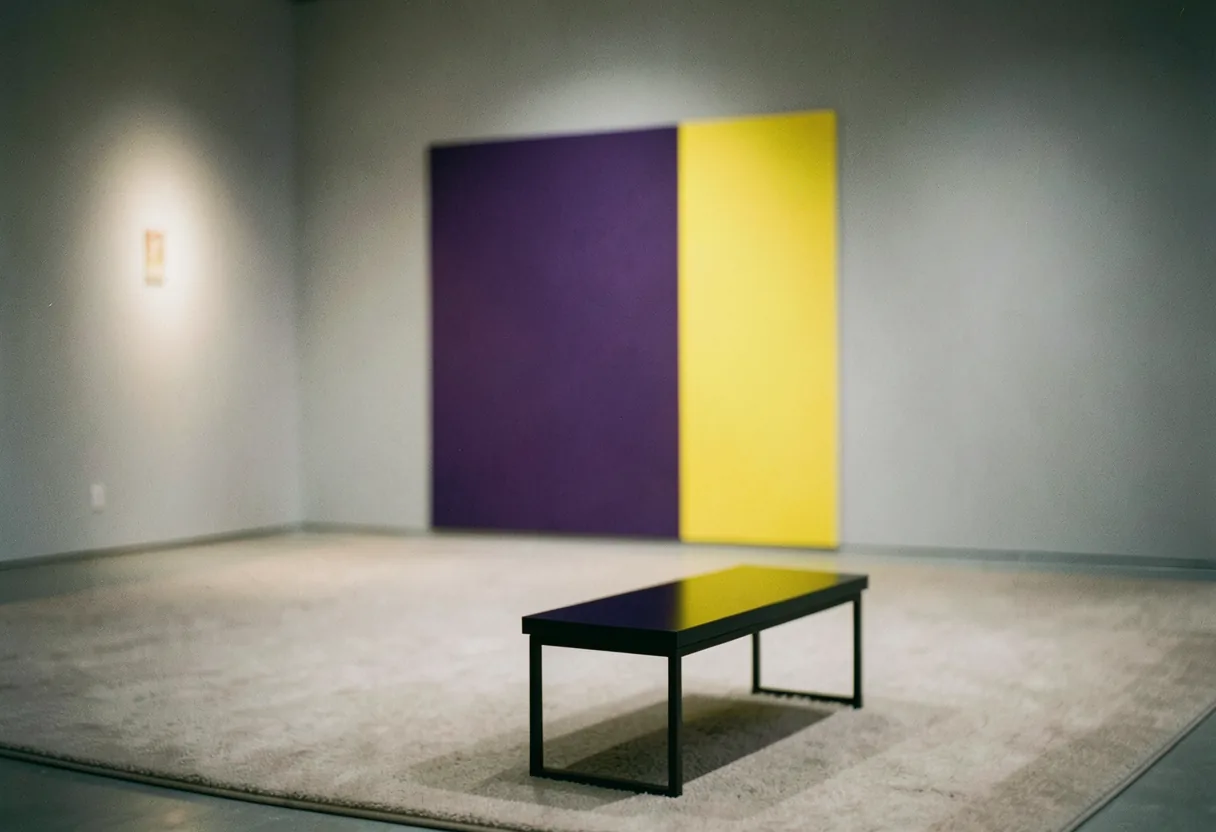
Complementary colors are pairs of colors that, when combined or mixed, produce a grayscale color like white or black. When two highly chromatic complementary colors are placed next to each other, they create a strong contrast. This color relationship is a fundamental concept in art and design, particularly in the creation of art installations. Complementary colors may also be called “opposite colors,” as they are positioned directly across from each other on the color wheel.
What are art installations?
Put simply: Art installations are like immersive stories you can walk into, where every element has a role to play.
Key facts
- Art installations are three-dimensional artworks designed to transform a space.
- They often engage the viewer on multiple sensory levels.
- Installations can be temporary or permanent.
- They may include a variety of materials and media.
Art installations are three-dimensional artworks designed to transform a space and engage the viewer on multiple sensory levels. These large-scale works can be temporary or permanent and may include a variety of materials and media, such as light, sound, and video. Installations often explore themes that are difficult to express through traditional art forms. For example, the famous installation “The Weather Project” by Olafur Eliasson, displayed at the Tate Modern in London, used monofrequency lights and mirrors to create a simulated sun, inviting viewers to interact with the space and contemplate the relationship between nature and artifice.
How do complementary colors enhance art installations?
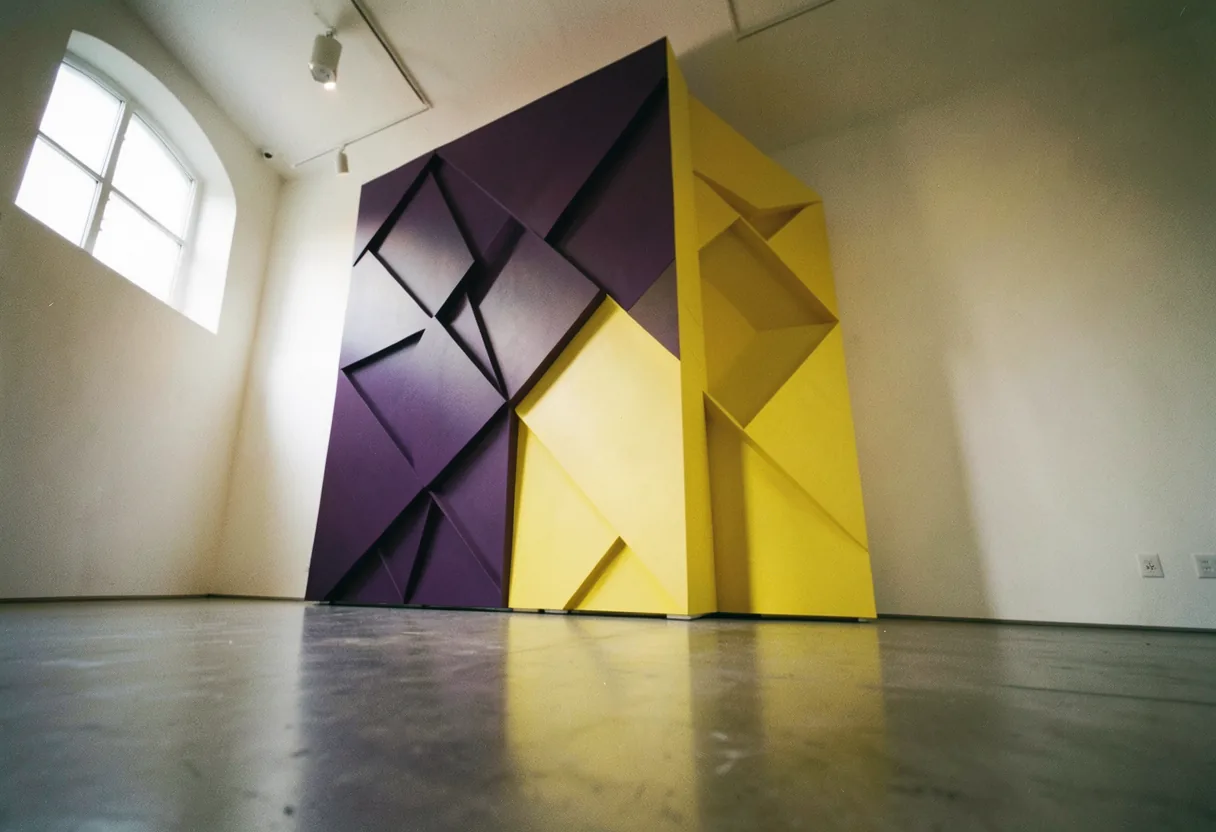
Complementary colors enhance art installations by creating a vibrant contrast that draws the viewer’s eye and evokes emotional responses. This contrast can be used to highlight specific elements within the installation, guide the viewer’s movement through the space, and create a sense of harmony or tension. For instance, in Yayoi Kusama’s “Infinity Mirror Rooms,” the artist often uses complementary colors to create immersive environments that play with perception and infinity. The use of bright reds against greens or blues against oranges intensifies the visual impact and creates a disorienting, otherworldly experience.
What are the five types of installation art?
The short version: Installation art types are like different genres of movies, each with its own rules and emotional pull.
Key facts
- Site-specific installations are created for a particular location.
- Immersive installations engage multiple senses.
- Interactive installations require viewer participation.
- Temporal installations change over time.
- Augmented reality installations blend physical and digital elements.
Art installations can be categorized into several types, each with unique characteristics and purposes. Site-specific installations are designed for a particular location, taking into account the architecture and history of the site. Immersive installations engage multiple senses, creating an environment that envelops the viewer. Interactive installations require viewer participation, often incorporating technology to respond to the viewer’s actions. Temporal installations change over time, either through natural processes or programmed sequences. Augmented reality installations blend physical and digital elements, using technology to overlay virtual images onto the real world. For more details, explore the five types of installation art.
How much does an art installation cost?
At its core: Art installation costs vary as widely as house prices, from a few hundred to millions.
Key facts
- Costs can range from a few hundred dollars for small, temporary installations to millions for large, permanent works.
- Factors include materials, labor, technology, and artist fees.
- Public art installations often receive grants or sponsorships.
- Commissioning an installation from a well-known artist can significantly increase costs.
The cost of an art installation can vary widely depending on several factors, including the size, materials, labor, technology, and artist fees. Small, temporary installations might cost a few hundred dollars, while large, permanent works can run into the millions. For example, the “Cloud Gate” sculpture, also known as “The Bean,” by Anish Kapoor in Chicago’s Millennium Park cost approximately $23 million to create and install. Public art installations often receive grants or sponsorships to offset costs. Commissioning an installation from a well-known artist can significantly increase the budget, as their reputation and demand for their work drive up fees.
How can you find art installations near California?
To find art installations near California, start by looking at local museums, galleries, and public art initiatives. Many cities in California have dedicated public art programs that commission and display installations throughout the year. For instance, the Los Angeles County Museum of Art (LACMA) often features large-scale installations, such as the iconic “Urban Light” installation by Chris Burden. Additionally, the Getty Center in Los Angeles and the San Francisco Museum of Modern Art (SFMOMA) regularly host contemporary art installations. Online platforms and local art blogs can also provide up-to-date information on current and upcoming installations.
How can you find art installations near Texas?
To find art installations near Texas, check out major cities like Houston, Dallas, and Austin, which have vibrant art scenes. The Museum of Fine Arts, Houston (MFAH) frequently features installations by renowned artists. In Dallas, the Dallas Museum of Art (DMA) and the Nasher Sculpture Center often display large-scale works. Austin, known for its creative community, hosts installations at venues like the Blanton Museum of Art and the Contemporary Austin. Public art initiatives, such as the Houston Arts Alliance, also commission installations throughout the state. Online resources and local art calendars can help you stay informed about current exhibitions and installations.
What is the 70 30 rule in art composition?
Simply put: The 70 30 rule in art composition is like a well-balanced meal, where most of the plate is filled with the main course and a smaller portion with sides.
Key facts
- The 70 30 rule suggests that 70% of the composition should be dominated by the main subject or element.
- The remaining 30% should consist of supporting elements or negative space.
- This rule helps create a sense of balance and harmony in the artwork.
- It is particularly useful in large-scale installations where space needs to be managed effectively.
The 70 30 rule in art composition suggests that 70% of the composition should be dominated by the main subject or element, while the remaining 30% should consist of supporting elements or negative space. This rule helps create a sense of balance and harmony in the artwork, ensuring that the viewer’s attention is drawn to the most important aspects. In large-scale installations, the 70 30 rule can be particularly useful for managing space and creating a cohesive visual experience. For more details, refer to the 70 30 rule in art composition.
What are some famous art installations?
Here is the gist: Famous art installations are like iconic landmarks, each telling a unique story that captivates millions.
Key facts
- “The Weather Project” by Olafur Eliasson is a famous installation at the Tate Modern.
- “Cloud Gate” by Anish Kapoor is a well-known public art installation in Chicago.
- “Infinity Mirror Rooms” by Yayoi Kusama are iconic immersive installations.
- “The Gates” by Christo and Jeanne-Claude was a temporary installation in Central Park.
Famous art installations have captivated audiences worldwide with their innovative concepts and striking visuals. “The Weather Project” by Olafur Eliasson, displayed at the Tate Modern in London, uses monofrequency lights and mirrors to create a simulated sun, inviting viewers to interact with the space. “Cloud Gate” by Anish Kapoor, also known as “The Bean,” is a iconic public art installation in Chicago’s Millennium Park. Yayoi Kusama’s “Infinity Mirror Rooms” are renowned for their immersive environments that play with perception and infinity. “The Gates” by Christo and Jeanne-Claude was a temporary installation in Central Park, New York, consisting of 7,503 saffron-colored gates with fabric panels that created a vibrant pathway through the park.
How can you buy art installations?
To buy art installations, you can explore galleries, art fairs, and online platforms that specialize in contemporary art. Many galleries represent artists who create installations and can facilitate the purchase and installation process. Art fairs, such as Art Basel or Frieze, often feature large-scale works and provide opportunities to connect with artists and dealers. Online platforms like Artsy or Saatchi Art offer a wide range of artworks, including installations, and provide detailed information about the artists and their works. Additionally, you can commission an installation directly from an artist, working closely with them to create a bespoke piece that suits your space and vision.
What are some contemporary art installations?
The bottom line: Contemporary art installations are like the latest blockbuster movies, pushing boundaries and sparking conversations.
Key facts
- Contemporary art installations often explore current social, political, and environmental issues.
- They may incorporate new technologies and materials.
- Many contemporary installations are interactive or immersive.
- Artists like Ai Weiwei and teamLab are known for their contemporary installations.
Contemporary art installations push the boundaries of traditional art forms and often explore current social, political, and environmental issues. These installations may incorporate new technologies and materials, creating innovative and thought-provoking experiences. Many contemporary installations are interactive or immersive, engaging the viewer on multiple levels. Artists like Ai Weiwei, known for his politically charged works, and teamLab, known for their immersive digital installations, are at the forefront of contemporary art. For example, teamLab’s “Borderless” exhibition in Tokyo creates a smooth, interactive environment that blurs the boundaries between art and viewer.
What are some interactive installations?
Plainly stated: Interactive installations are like dance partners, responding to your moves and creating a unique experience every time.
Key facts
- Interactive installations require viewer participation.
- They often incorporate technology to respond to the viewer’s actions.
- Examples include touch-sensitive surfaces, motion sensors, and virtual reality.
- Artists like Rafael Lozano-Hemmer and teamLab are known for their interactive works.
Interactive installations require viewer participation and often incorporate technology to respond to the viewer’s actions. These installations create a dynamic and engaging experience, as the viewer becomes an active participant in the artwork. Examples of interactive elements include touch-sensitive surfaces, motion sensors, and virtual reality. Rafael Lozano-Hemmer’s “Pulse Room” installation uses heart rate sensors to control the flashing of light bulbs, creating a visceral connection between the viewer and the artwork. teamLab’s “Planets” exhibition in Tokyo features interactive water installations that respond to the viewer’s movements, creating a playful and immersive experience.
What are some past exhibitions and displays of art installations?
Past exhibitions and displays of art installations have showcased a wide range of innovative and thought-provoking works. The Venice Biennale, one of the most prestigious art exhibitions in the world, has featured numerous installations over the years. For example, the 2019 edition included works by artists like Arthur Jafa and Anne Imhof, looking at themes of identity, politics, and spirituality. The Documenta exhibition in Kassel, Germany, another major international art show, has also featured notable installations, such as Ai Weiwei’s “Straight” installation, which commemorates the victims of the Sichuan earthquake. These exhibitions provide a platform for artists to experiment with new ideas and push the boundaries of installation art.
What is the history of art installations?
To break it down: The history of art installations is like a family tree, with each generation building on the innovations of the last.
Key facts
- The roots of installation art can be traced back to the early 20th century.
- Key movements include Dada, Surrealism, and Minimalism.
- Artists like Marcel Duchamp and Yves Klein were early pioneers.
- The 1960s and 1970s saw a rise in immersive and site-specific installations.
Installations trace back to the early 20th century, having a rich and diverse history. Key movements, such as Dada, Surrealism, and Minimalism, laid the groundwork for the development of installation art. Artists like Marcel Duchamp, known for his readymades, and Yves Klein, known for his monochrome paintings and “Anthropometries,” were early pioneers of installation art. The 1960s and 1970s saw a rise in immersive and site-specific installations, as artists began to explore the relationship between art and space. The concept of “Gesamtkunstwerk,” or total work of art, also influenced the development of installation art, as artists sought to create immersive environments that engaged all the senses.
How can complementary colors be used in immersive environments?
Colors that complement each other can be used in immersive environments to create a sense of harmony and tension, guiding the viewer’s movement and enhancing the overall experience. By strategically placing complementary colors throughout the space, artists can create a dynamic and visually engaging environment. For example, in an immersive installation that explores the theme of nature, the artist might use greens and reds to create a sense of balance and contrast. The greens could represent the natural elements, while the reds could symbolize the human impact on the environment. This contrast would draw the viewer’s attention and create a thought-provoking experience.
What is the relationship between art and objecthood?
Put simply: The relationship between art and objecthood is like the difference between a painting and its frame, where the object is just one part of the story.
Key facts
- The concept of “objecthood” in art refers to the physical presence of an artwork.
- It is closely tied to the ideas of Minimalism and the readiness of art.
- Artists like Donald Judd and Richard Serra explored objecthood in their works.
- Installation art often challenges traditional notions of objecthood.
Installation art reveals a complex and nuanced relationship between art and objecthood. The concept of “objecthood” in art refers to the physical presence of an artwork and its relationship to the viewer. It is closely tied to the ideas of Minimalism and the readiness of art, as artists began to explore the boundaries between art and everyday objects. Artists like Donald Judd and Richard Serra were key figures in this exploration, creating works that challenged traditional notions of sculpture and objecthood. Installation art often pushes these boundaries even further, as artists create immersive environments that engage the viewer on multiple levels and challenge the distinction between art and object.
How can you explore the term “complementary colors” further?
To explore the term “complementary colors” further, start by studying the color wheel and the relationships between different hues. How the basic principles of color theory can provide a solid foundation for experimenting with complementary colors in your own work. Additionally, research the works of artists who have used complementary colors effectively, such as Vincent van Gogh and Henri Matisse. Analyzing their use of color can provide valuable insights and inspiration. You can also experiment with complementary colors in your own art, creating studies and sketches to explore different combinations and effects. Online resources and color theory tools can also be helpful in deepening your understanding of complementary colors and their applications in art and design.
What are some selected artworks in the collection of famous museums?
Famous museums around the world house a wide range of artworks, including installations that push the boundaries of traditional art forms. The Museum of Modern Art (MoMA) in New York, for example, features works by artists like Marcel Duchamp and Yves Klein, who were early pioneers of installation art. The Tate Modern in London also has a extensive collection of contemporary installations, including works by artists like Olafur Eliasson and Yayoi Kusama. The Centre Pompidou in Paris is another major institution that showcases innovative and thought-provoking installations. Looking at the collections of these museums can provide a wealth of inspiration and insight into modern installation art.
How can you create depth and perspective in installations?
The short version: Creating depth and perspective in installations is like directing a play, where every element has a role in guiding the viewer’s eye.
Key facts
- Technniques like forced perspective, overlapping, and scaling can create depth.
- Lighting and shadows play a crucial role in enhancing perspective.
- Interactive elements can engage the viewer and create a sense of depth.
- Artists like James Turrell and Anish Kapoor are known for their mastery of depth and perspective.
Creating depth and perspective in installations is essential for guiding the viewer’s eye and enhancing the overall experience. Techniques like forced perspective, overlapping, and scaling can create the illusion of depth, making the installation feel more immersive. Lighting and shadows also
Frequently asked questions
What are complementary colors?
Complementary colors are pairs of hues directly opposite each other on the color wheel. For example, red and green, blue and orange, or yellow and purple. These combinations create high contrast, making them visually striking and ideal for installations where impact matters.
How do complementary colors enhance visual contrast?
By placing complementary colors side by side, you maximize their differences in hue, saturation, and brightness. This contrast catches the eye and creates a sense of vibrancy, which is particularly useful in installations aiming to grab attention or evoke strong emotions.
Can complementary colors be used in digital installations?
Absolutely. Digital installations often use complementary colors to create dynamic visuals. For instance, a blue-themed digital art piece might include orange accents to heighten contrast. This technique ensures clarity and engagement, even on screens.
What are some practical tips for using complementary colors in installations?
Start by selecting a dominant color for your installation and use its complement sparingly to avoid overwhelming the viewer. Balance the colors to maintain harmony, and consider the lighting conditions of the space. Testing combinations in situ helps achieve the desired effect.
Related Reading
- Palette Selection for Immersive Environments
- Illusion: Creating Depth and Perspective in Installations
- Types of Installation Art: Classifying Spatial Works