
Techniques & Composition

Jason Coleman · on 18 July 2026 · 8 min read · Last reviewed 18 July 2026
Motifs are recurring visual themes in spatial art, such as repeated patterns, shapes, or colors that create a unifying effect across an installation.
In plain terms: think of motifs like the leitmotifs in a symphony: just as a musical phrase ties a composition together, a visual motif stitches an art installation into a cohesive experience, making the viewer’s journey through the space feel intentional and resonant.
Key facts
- Motifs often derive from cultural, historical, or natural sources, lending depth and context to installations.
- They can be abstract (e.g., geometric patterns) or representational (e.g., recurring flora or fauna).
- Motifs are distinct from themes; while a theme is a broad idea, a motif is a specific visual or symbolic element that reinforces that idea.
- According to the Metropolitan Museum of Art, motifs in art often reflect the artist’s environment or personal obsessions.
What is an example of a motif?
A striking example of a motif in spatial art is Yayoi Kusama’s use of polka dots in her infinity rooms. These repetitive patterns, often in contrasting colors like red and white, create a disorienting yet mesmerizing effect, transforming the viewer’s perception of space and scale.
Motifs can also be found in nature-inspired installations, such as TeamLab’s Blooms exhibition, where flower-like digital projections bloom and scatter in response to visitor movements. The floral motif ties the immersive environment together, creating a harmonious and interactive experience.
In my experience, the most effective motifs are those that resonate emotionally with viewers. For instance, the repeated use of bird imagery in Monet’s garden at Giverny not only reflects his fascination with nature but also evokes a sense of tranquility and freedom.
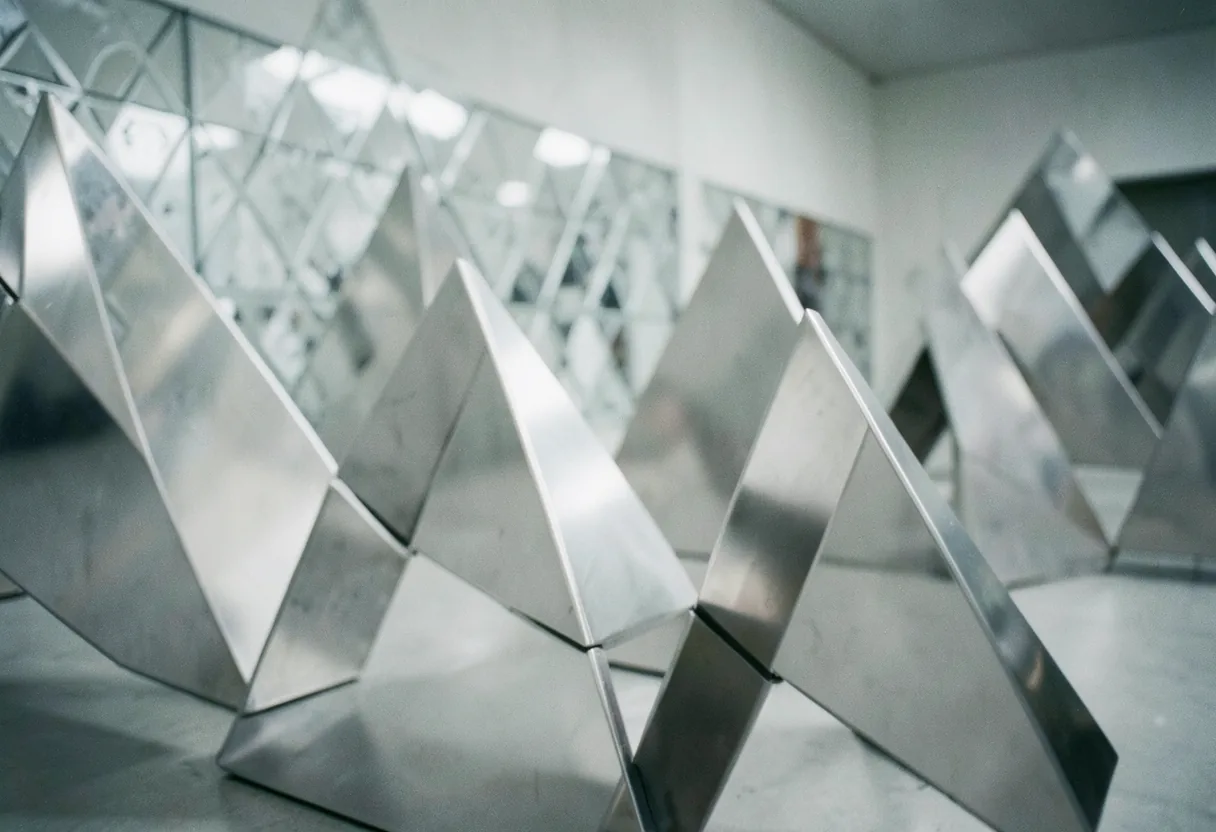
What is meant by motif?
A motif is a recurring visual element in art that carries symbolic or aesthetic weight. It can be a shape, color, texture, or object that appears repeatedly throughout a work, reinforcing its themes or enhancing its visual appeal.
Recurring elements in a story differ from themes in that they are tangible and specific. While a theme might be “love” or “nature,” a motif is the visual representation of that theme, such as a repeated heart shape or a particular flower species.
What are the 4 types of motifs?
The four main types of motifs in spatial art are geometric, organic, symbolic, and narrative.
| Type of Motif | Description | Example |
|---|---|---|
| Geometric | Shapes like circles, squares, or lines that create patterns. | Sol LeWitt’s wall drawings, which use simple geometric forms to create complex compositions. |
| Organic | Forms inspired by nature, such as plants, animals, or natural landscapes. | Andy Goldsworthy’s ephemeral sculptures made from leaves, stones, and other natural materials. |
| Symbolic | Elements that represent abstract ideas or concepts. | The repeated use of mirrors in Yayoi Kusama’s installations to symbolize infinity and self-obsession. |
| Narrative | Elements that tell a story or convey a sequence of events. | Christian Boltanski’s installations, which often use clothing and personal objects to narrate stories of memory and identity. |
What is a synonym for the word motif?
A synonym for motif is leimotiv, a term borrowed from music to describe a recurring theme or element. Other synonyms include pattern, theme, and design, though these terms can have broader meanings.
In the context of spatial art, leimotiv is particularly apt, as it emphasizes the repetitive and unifying nature of motifs. For example, in Cubism, the fragmented and repeated forms of objects serve as leimotivs that create a sense of dynamism and multiplicity.
How do motifs enhance spatial art installations?
Visual cohesion, guiding the viewer’s eye, and reinforcing the artist’s intent are enhanced by motifs in spatial art installations. They can transform a collection of disparate elements into a unified whole, making the experience more immersive and impactful.
For instance, in James Turrell’s light installations, the use of light as a motif creates a sense of depth and infinity, drawing viewers into a meditative and transformative experience. The repeated use of light and shadow becomes a leimotiv that ties the installation together.
What are some common motifs in contemporary spatial art?
Common motifs in contemporary spatial art include light, water, mirrors, and natural elements. These motifs are often used to explore themes of perception, identity, and the relationship between humans and their environment.
Light, for example, is a powerful motif in the work of Olafur Eliasson. His installations, such as The Weather Project, use light and color to create immersive environments that challenge viewers’ perceptions of reality.
Water is another common motif, as seen in Bill Viola’s video installations. His use of water imagery often symbolizes the subconscious mind and the passage of time.
How can artists develop their own unique motifs?
To develop unique motifs, artists should draw inspiration from their surroundings, personal experiences, and cultural heritage. Experimenting with different materials, techniques, and symbolic elements can also help artists discover motifs that resonate with their vision.
For example, Anish Kapoor’s use of reflective surfaces and voids as motifs in his sculptures explores themes of absence, presence, and the infinite. His unique motifs have become a signature of his work, distinguishing him from other artists.
Artists can also look to nature for inspiration. The repeated patterns found in flora and fauna can provide a rich source of motifs. For instance, the intricate patterns of a butterfly’s wings or the fractal geometry of a fern can inspire unique and visually striking motifs.
Can motifs be used in digital art installations?
Yes, motifs are widely used in digital art installations to create immersive and interactive environments. Digital technologies allow artists to manipulate motifs in real-time, responding to viewer movements and creating dynamic experiences.
Artists often use complementary color motifs in complementary-colors-contrast to create vibrant and visually striking effects. The interplay of colors can evoke emotions and guide viewers through the installation.
Digital motifs can also be used to create a sense of depth and perspective, as seen in Illusion: Creating Depth and Perspective in Installations. By manipulating digital elements, artists can create illusions that challenge viewers’ perceptions of space and reality.
How do motifs contribute to the emotional impact of an installation?
Recurring patterns enhance the emotional impact of an installation by creating a sense of familiarity and resonance. Repeated elements can evoke memories, emotions, and associations, making the viewing experience more personal and engaging.
Floral motifs in Palette Selection for Immersive Environments evoke feelings of nostalgia and tranquility, while geometric motifs create a sense of order and stability. The choice of motifs can significantly influence the emotional tone of an installation.
In my experience, the most emotionally powerful installations are those that use motifs to create a sense of connection and meaning. By drawing on universal themes and symbols, artists can create works that resonate with a wide range of viewers.
What are some famous installations known for their use of motifs?
Several famous installations are renowned for their use of motifs, including Yayoi Kusama’s infinity rooms, TeamLab’s digital environments, and James Turrell’s light sculptures. These installations use motifs to create immersive and transformative experiences.
| Installation | Artist | Motif |
|---|---|---|
| Infinity Mirrored Room | Yayoi Kusama | Polka dots |
| Blooms | TeamLab | Flowers |
| The Weather Project | Olafur Eliasson | Light |
| Ganzfeld | James Turrell | Light and color |
These installations demonstrate the power of motifs to create cohesive and emotionally resonant experiences. By carefully selecting and repeating visual elements, artists can guide viewers through a journey of discovery and reflection.
How can viewers engage more deeply with motifs in spatial art?
To engage more deeply with motifs in spatial art, viewers should pay close attention to recurring elements and consider their symbolic and emotional significance. Observing how motifs interact with the environment and other elements can provide insights into the artist’s intent and the installation’s themes.
Repeated use of a particular color or shape in motif in art creates a sense of harmony or tension for viewers. Reflecting on personal associations with these motifs can enhance the viewing experience and foster a deeper connection with the art.
Engaging with motifs can also involve interactive elements. In digital installations, viewers might influence the behavior of motifs through their movements or actions, creating a dynamic and participatory experience. This interaction can make the viewing process more immersive and memorable.
What role do motifs play in the design of public art installations?
Public art installations rely on motifs to create visual coherence and guide viewers through the space. Public art often aims to engage a diverse audience, and motifs can serve as accessible entry points that resonate with different viewers.
Large-scale installations, like those by public-art-exhibitions, often use motifs such as geometric patterns or natural forms to create a sense of unity and continuity. These motifs can also reflect the cultural or historical context of the location, making the art more meaningful and relevant to the community.
Public art often uses motifs to foster interaction and community engagement. By incorporating motifs that invite participation, such as interactive digital elements or collaborative art-making activities, artists can create spaces that foster connection and dialogue among viewers.
| Public Art Installation | Artist | Motif | Location |
|---|---|---|---|
| The Bean | Anish Kapoor | Reflective surfaces | Chicago, USA |
| Cloud Gate | Jeff Koons | Floral patterns | New York, USA |
| The Gates | Christoph Niemann | Sailboat imagery | Central Park, New York, USA |
| Sun Voyager | Weta Workshop | Sculptural forms | Wellington, New Zealand |
By thoughtfully integrating motifs into public art installations, artists can create works that are visually stunning, emotionally resonant, and culturally significant. These motifs can help transform public spaces into vibrant hubs of creativity and community engagement.
To create a compelling installation, artists should consider the emotional and symbolic weight of their chosen motifs. By drawing on personal experiences, cultural heritage, and natural inspirations, artists can develop unique and meaningful motifs that enhance their work.
Frequently asked questions
What are art installations?
Art installations are three-dimensional, often site-specific artworks designed to transform a space and engage viewers immersively. They can incorporate various materials, media, and technologies to create a cohesive experience. Examples include Yayoi Kusama's 'Infinity Mirror Rooms' or Christo and Jeanne-Claude's large-scale environmental works.
What are the five types of installation art?
Installation art types include environmental, interactive, immersive, mixed-media, and performance-based installations. Environmental installations modify physical spaces; interactive ones engage viewers directly. Immersive installations envelop viewers in a complete sensory experience. Mixed-media installations combine materials like video, sound, and sculpture. Performance-based installations involve live actions.
How much does an art installation cost?
Costs vary widely. Small, temporary installations might range from $5,000 to $50,000. Large-scale, permanent installations by renowned artists can exceed $1 million. Factors include materials, labor, location, and artist fees. Public art projects often involve additional costs for permits and community engagement.
What is the 70 30 rule in art?
The 70-30 rule suggests allocating 70% of an artwork's visual weight to the primary focus and 30% to secondary elements. This creates balance and hierarchy, guiding the viewer's eye. It's often applied in composition, color, and spatial arrangements to ensure clarity and impact.