
Planning Successful Public Art Projects
Nicole Callahan · on 18 July 2026 · 9 min read · Last reviewed 18 July 2026
Public art projects are large-scale creative works designed to engage communities in public spaces, ranging from sculptures and murals to interactive digital displays.
In plain terms: Think of public art projects as a city’s open-air museum, where the exhibits aren’t confined to walls but spread across streets, parks, and plazas, inviting everyone to interact, reflect, and connect.
Key facts
- Public art projects often involve collaboration between artists, city planners, and community organizations.
- The cost can range from **$10,000** for small-scale murals to **$10 million** or more for large installations.
- According to the Americans for the Arts, public art can increase foot traffic and property values by **up to 20%** in urban areas.
- Some projects, like The Gates by Christo and Jeanne-Claude, attract millions of visitors.
What are art installations?
Art installations are immersive, often large-scale works designed to transform a space and evoke emotional or intellectual responses from viewers.
Put simply: Imagine walking into a room where the walls, lighting, and even the air temperature are curated to tell a story, installations are like that, but on a grand scale.
Key facts
- Installations can be temporary or permanent, depending on the artist’s vision and the venue’s requirements.
- Materials range from traditional media like paint and wood to cutting-edge tech like augmented reality.
- The first time I really looked at an installation, I was struck by how it altered my perception of the space, it wasn’t just about the art; it was about the experience.
- Interactive installations, like teamLab’s digital exhibits, encourage audience participation, blurring the line between observer and participant.
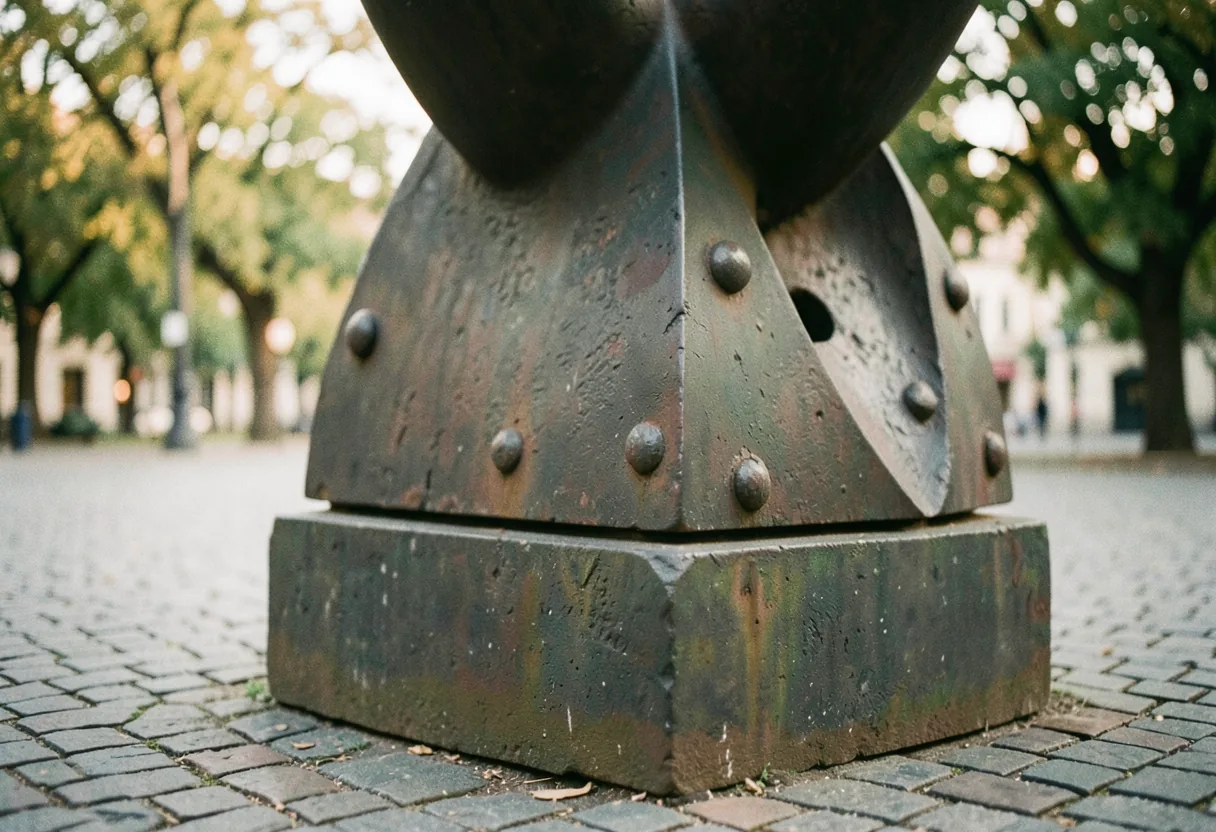
What are the five types of installation art?
The five primary types of installation art are site-specific, immersive, interactive, digital, and mixed-media.
The short version: Think of these types as different genres of storytelling, some are rooted in location, others in technology, and some in audience engagement.
| Type | Description | Example |
|---|---|---|
| Site-specific | Designed to interact with a particular location, often altering the space’s meaning. | Rodney Graham‘s How I Became a Ramblin’ Man in Vancouver. |
| Immersive | Creates a fully immersive environment, often using projections or lighting. | teamLab’s Borderless in Tokyo. |
| Interactive | Encourages audience participation, often through technology. | Carsten Höller’s Slide Tunnel at the Tate Modern. |
| Digital | Uses digital media, such as projections, VR, or AR. | Refik Anadol’s Machine Hallucinations in Los Angeles. |
| Mixed-media | Combines multiple materials, such as sculpture, painting, and sound. | Anselm Kiefer’s Palmsonntag at the White Cube gallery. |
How much does an art installation cost?
The cost of an art installation typically ranges from **$10,000 to $10 million**, depending on the scale, materials, and artist involved.
At its core: It’s like planning a wedding, small, intimate gatherings cost a fraction of what a lavish, multi-city event would.
| Type | Cost Range | Factors |
|---|---|---|
| Small-scale | $10,000-$50,000 | Simple materials, local artist, minimal labor. |
| Medium-scale | $50,000-$500,000 | Custom materials, professional crew, permits. |
| Large-scale | $500,000-$10 million+ | High-profile artist, complex logistics, advanced tech. |
What is the 70-30 rule in art?
Allocate 70% of resources to planning and 30% to execution to ensure a successful project, according to the 70-30 rule in art.
Simply put: It’s like baking a cake, spending most of your time measuring ingredients and preheating the oven ensures the final product turns out right.
Key facts
- The rule emphasizes thorough planning to avoid costly mistakes during execution.
- It applies to budgeting, scheduling, and resource allocation.
- In my experience, projects that follow this rule tend to run smoother and stay within budget.
- The rule is widely used in project management, not just in art.
Art installations near California
California is home to several iconic art installations, including the Urban Light at the Los Angeles County Museum of Art (LACMA) and the Wave Organ in San Francisco.
Here is the gist: Think of California as a living art gallery, every city has its own masterpiece to explore.
- Urban Light at LACMA, a collection of **202 restored street lamps**, is a popular photo spot.
- The Wave Organ is a **marimba-like musical instrument** built from found materials, situated in San Francisco Bay.
- In Los Angeles, the Levitated Mass at the Los Angeles County Museum of Art is a **340-ton granite boulder** suspended in mid-air.
- The Chihuly Over Venice exhibit at the de Young Museum in San Francisco features vibrant glass sculptures.
Art installations near Texas
Texas boasts a thriving art scene, with notable installations like the Rainbow Panther in Houston and the Dallas Museum of Art’s Mirrored Room.
The bottom line: Texas’s art installations are as bold and diverse as the state itself, each piece tells a unique story.
- The Rainbow Panther in Houston is a **vibrant, 30-foot-tall sculpture** by artist David McManey.
- The Mirrored Room at the Dallas Museum of Art is an immersive, **mirror-lined installation** by Yayoi Kusama.
- The Grotto at the Contemporary Austin is an **underground art space** featuring rotating installations.
- The CowParade in San Antonio is a public art project featuring **life-sized cow sculptures** by local artists.
Contemporary art installations
Contemporary art installations often push boundaries with innovative materials and interactive elements, like teamLab’s Borderless exhibit.
Plainly stated: Think of contemporary installations as the tech-savvy cousins of traditional art, always experimenting, always evolving.
| Installation | Artist | Location |
|---|---|---|
| teamLab: Borderless | teamLab | Tokyo, Japan |
| The Weather Project | Olafur Eliasson | Tate Modern, London |
| The Sulphur | Anselm Kiefer | White Cube Gallery, London |
Famous art installations
Famous art installations often become cultural landmarks, attracting visitors from around the world, like The Gates in Central Park.
To break it down: These are the superstars of the art world, everyone knows their names, and they’re worth traveling to see.
- The Gates by Christo and Jeanne-Claude transformed Central Park with **16 miles of saffron-colored fabric**.
- The Cloud Gate (a.k.a. “The Bean”) in Chicago is a **110-ton elliptical sculpture** by Anish Kapoor.
- The Sunflower Seeds at the Tate Modern featured **100 million porcelain seeds** by Ai Weiwei.
- The Flame of Peace in Hiroshima is a **stainless-steel sculpture** symbolizing the city’s resilience.
Art installations for sale
Art installations for sale are typically commissioned through galleries or directly from artists, with prices varying based on scale and reputation.
Put simply: Buying an installation is like acquiring a bespoke piece of furniture, it’s custom-made, unique, and requires careful planning.
- Galleries like the White Cube and Gagosian often feature installations for sale.
- Prices can range from **$50,000 for a small piece** to **millions for a large-scale commission**.
- Artists like Yayoi Kusama and Damien Hirst offer installations for private sale.
- Some installations are sold as part of **limited-edition series**, increasing their value.
Explore this Term: Selected artworks in the collection
Explore this Term highlights key artworks in major museum collections, such as the Mona Lisa at the Louvre or the Starrey Night at the Museum of Modern Art.
The short version: Think of this as a curated playlist, each artwork is a track that tells part of the larger story.
- The Mona Lisa at the Louvre is the most famous painting in the world, attracting **millions of visitors annually**.
- The Starry Night at MoMA is a **post-impressionist masterpiece** by Vincent van Gogh.
- The Persistence of Memory at the Museum of Modern Art features Salvador Dalí’s iconic melting clocks.
- The Guernica at the Reina Sofía in Madrid is a **powerful anti-war statement** by Pablo Picasso.
Past exhibitions and displays
Past exhibitions and displays offer insights into how art trends have evolved, such as the Documenta series in Kassel, Germany.
At its core: These are the archives of the art world, each exhibition is a snapshot of a moment in time.
- The Documenta series is a **quintennial exhibition** showcasing contemporary art.
- The Venice Biennale is one of the oldest and most prestigious art exhibitions, founded in **1895**.
- The Whitney Biennial in New York highlights emerging American artists.
- The Art Basel series is a global network of art fairs, including Basel, Miami, and Hong Kong.
History of installation art
History of installation art dates back to the **1960s and 1970s**, with early pioneers like Marcel Duchamp and Yves Klein.
Simply put: Installation art is like a rebellious teenager, it emerged as a way to break free from traditional art forms.
- Marcel Duchamp’s Fountain (1917) challenged the definition of art, paving the way for installations.
- Yves Klein’s Anthropometries (1960) used live models covered in paint to create immersive environments.
- The **Fluxus movement** in the 1960s embraced installations as part of its interdisciplinary approach.
- In the **1970s**, artists like Walter De Maria created large-scale installations, such as The Lightning Field.
Gesamtkunstwerk
Gesamtkunstwerk, or “total work of art,” is a concept originating from German **Romanticism**, where all aspects of a work are unified under a single artistic vision.
Here is the gist: It’s like a Broadway musical, every element, from the set to the costumes, works together to create a cohesive experience.
- The **Bayreuth Festival**, founded by Richard Wagner, is a famous example of Gesamtkunstwerk.
- Modern installations, like Olafur Eliasson’s The Weather Project, embody this concept.
- Architects like Antoni Gaudí also embraced Gesamtkunstwerk in their designs.
- Contemporary artists often use this approach to create immersive environments.
Art and Objecthood
Art and Objecthood is a critical essay by **Michael Fried** that examines the relationship between art and its audience, particularly in minimalist installations.
The bottom line: It’s like a philosophical debate, does the art exist for itself, or does it need an audience to complete it?
- Fried argued that minimalist art, like Donald Judd’s installations, **demanded an audience** to be complete.
- The essay sparked a **controversy** within the art world, influencing later discussions on interactivity.
- Modern installations, like those by teamLab, address these questions by blurring the line between art and viewer.
- Critics continue to debate the role of the audience in defining art’s meaning.
Interactive installations
Interactive installations engage audiences directly, often through technology, like Carsten Höller’s Slide Tunnel at the Tate Modern.
Plainly stated: These are the art world’s roller coasters, you don’t just watch; you participate.
| Installation | Artist | Interaction |
|---|---|---|
| Slide Tunnel | Carsten Höller | Visitors slide through a **164-foot-long tube**. |
| The Treachery of Sanctuary | Yayoi Kusama | Features **mirrored rooms** and polka dots. |
| Machine Hallucinations | Refik Anadol | Uses **AI and projections** to create immersive environments. |
Planning successful public art projects requires careful consideration of budget, location, and audience engagement. By knowing different types of installations, their costs, and historical context, you can create impactful, community-driven art. Whether you’re looking at installations near California, Texas, or famous landmarks, the key is to engage and inspire. So, start planning, and let your creativity flow.
Frequently asked questions
What are the key steps in planning a public art project?
First, identify a location and community. Engage stakeholders early to align vision and purpose. Secure funding through grants, sponsorships, or public-private partnerships. Collaborate with artists who understand public space dynamics. Ensure legal and logistical considerations, like permits and material durability, are addressed. Finally, plan for maintenance and community interaction post-installation.
How do you choose the right artist for a public art project?
Look for artists with experience in public installations. Review portfolios for style compatibility and technical skill. Prioritize those who engage communities and understand cultural contexts. Check references and past project outcomes. Ensure the artist’s vision aligns with the project’s goals and the community’s values. Transparent communication about timelines, budgets, and expectations is critical.
What funding sources are common for public art projects?
Grants from government agencies or cultural foundations are common. Corporations often sponsor projects for community goodwill. Crowdfunding platforms can gather public support. Percent-for-art programs, where a percentage of construction budgets fund art, are used in many cities. Public-private partnerships pool resources from multiple stakeholders. Always explore local arts councils and nonprofits for additional opportunities.
How can you ensure a public art project integrates well with its surroundings?
Site-specific design is crucial. The art should complement the architecture and landscape. Consider the community’s cultural and historical context. Use materials that withstand local weather conditions. Involve residents in the design process to foster ownership and pride. Regular public input ensures the project reflects community values and enhances the environment.
Related Reading
- Public Art Installations Examples That Transform Cities
- Best Art Installations Near California to Visit
- Famous Art Installations That Redefined Contemporary Culture
Part of the Public & Site-Specific guide hub.
See also: Principles of Site-Specific Art in Urban Environments.