
Fundamentals & Mediums
Jason Coleman · on 18 July 2026 · 8 min read · Last reviewed 18 July 2026
Art medium refers to the materials used by artists to create works of art, with each medium offering unique properties and creative possibilities.
In plain terms: Think of art mediums like the ingredients in a chef’s kitchen, each one, from paint to clay, allows artists to ‘cook up’ very different kinds of visual experiences.
Key facts
- The term medium can refer to both the material itself (like oil paint) and the technique used to apply it.
- Common art mediums include paint, ink, clay, fabric, and digital tools.
- Each medium interacts differently with its support (the surface it’s applied to, like canvas or paper).
- Artists often combine multiple mediums to achieve specific effects in their work.
The role of art medium in installation design
Art mediums shape the physical and conceptual presence of installations, influencing how viewers engage with the work.
Installations often push the boundaries of traditional mediums, combining materials in innovative ways. For example, TeamLab’s digital art installations use projections and interactive elements to create immersive environments. The choice of medium directly impacts the installation’s scale, texture, and interaction with the space. Artists may use lightweight materials like fabric or heavy components like metal, each affecting the installation’s structure and mobility. Mediums also carry symbolic weight; a piece using reclaimed wood might evoke sustainability, while neon lights might suggest futurism.
Art medium examples
Traditional and experimental categories define the range of art mediums, each providing unique creative opportunities.
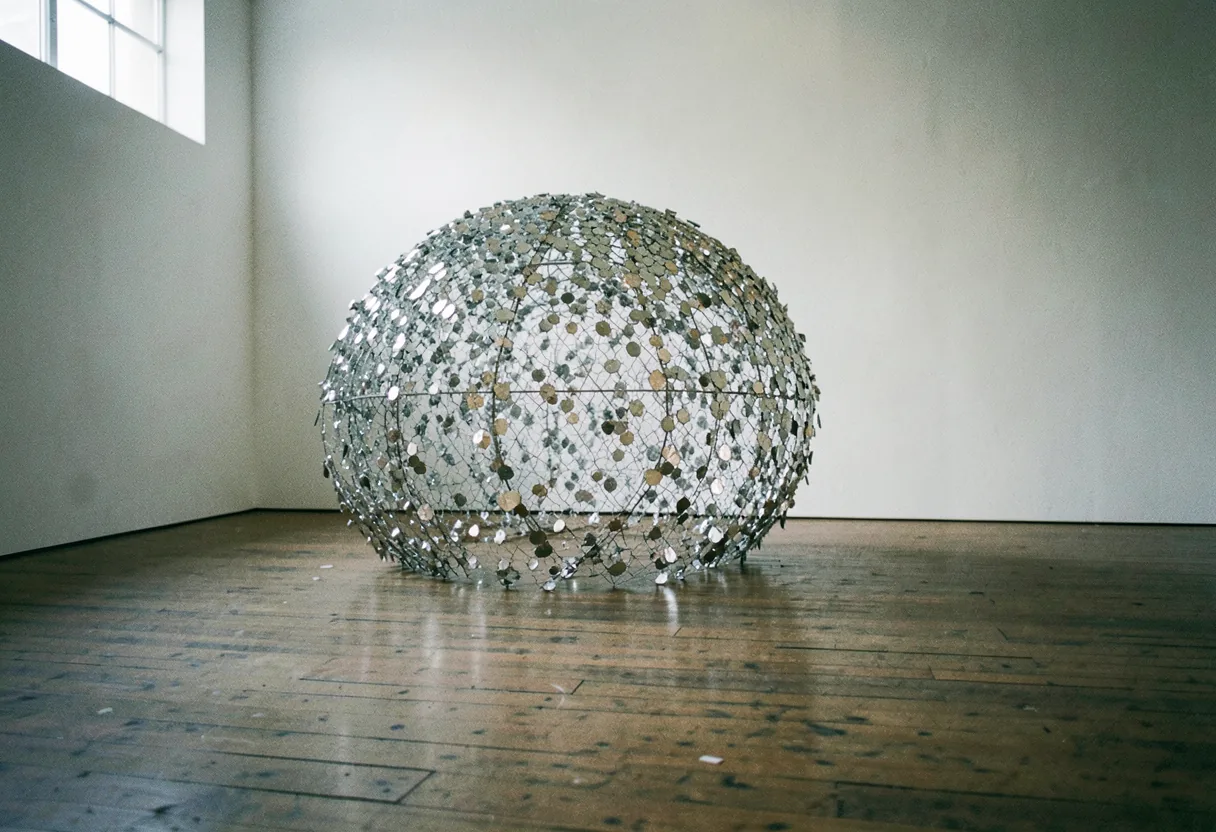
Traditional mediums include oil paint, watercolor, charcoal, and clay. Modern installations might incorporate digital projections, soundscapes, or mixed materials. For instance, Yayoi Kusama’s Infinity Mirror Rooms combine mirrors, lights, and small sculptural elements to create immersive, infinite spaces. Artists like Olivia Steele use textiles and mixed media to explore themes of identity and memory. Each medium brings its own set of challenges and advantages, from the tactile quality of clay to the ephemeral nature of digital projections.
What are the 5 mediums of painting?
The five primary painting mediums are oil, acrylic, watercolor, gouache, and tempera, each with unique properties.
| Medium | Key Characteristics | Common Supports |
|---|---|---|
| Oil | Slow drying, rich colors, blendable; requires solvents for cleanup | Canvas, wood panel, linen |
| Acrylic | Fast drying, water-soluble, versatile; can mimic oil or watercolor | Canvas, paper, wood |
| Watercolor | Transparent, fluid, lightfast; works best on absorbent surfaces | Paper, vellum |
| Gouache | Opaque, matte finish, reusable; similar to watercolor but with more pigment | Paper, illustration board |
| Tempera | Fast drying, durable, matte finish; traditionally egg-based | Wood, canvas, paper |
Oil paint, for example, allows for deep, layered colors and is favored for its slow drying time, which enables blending. Acrylic, on the other hand, is water-soluble and dries quickly, making it ideal for layering and textural work. Watercolor is known for its transparency and fluidity, often used for delicate, luminous effects. Gouache offers opacity and a matte finish, making it popular for illustration. Tempera, an ancient medium, is known for its durability and matte finish, historically used in icon painting and manuscript illumination.
What are the seven mediums of art?
The seven traditional art mediums are painting, drawing, sculpture, printmaking, textiles, ceramics, and photography.
Each medium has evolved over centuries, with modern artists often blending these categories. For instance, Jenny Holzer combines text-based installations with electronic media, while Ai Weiwei uses ceramics and mixed materials to address political themes. Traditional mediums like sculpture can involve materials from marble to found objects, while photography has expanded to include digital and experimental techniques.
What is the easiest art medium to use?
Watercolor, colored pencils, and acrylic paint are typically the easiest art mediums for beginners due to their accessibility and forgiving nature.
Watercolor is often recommended for beginners because it requires minimal tools and allows for experimental techniques. Colored pencils are precise and easy to control, making them ideal for detailed work. Acrylic paint dries quickly and can be used on various surfaces, offering flexibility for different styles. For those new to installations, mixed media can be a good starting point, combining materials like paper, fabric, and found objects to create layered, textural works.
Art mediums for beginners
Beginners should start with mediums that are forgiving, affordable, and easy to learn.
| Medium | Why It’s Beginner-Friendly | Recommended Supplies |
|---|---|---|
| Watercolor | Minimal setup, easy cleanup, great for experimentation | Watercolor paper, brushes, paints, palette |
| Colored Pencils | Precise control, no drying time, portable | Sketchbook, colored pencils, sharpener |
| Acrylic Paint | Fast drying, versatile, can mimic other mediums | Canvas, brushes, acrylic paints, water cup |
| Charcoal | Expressive, easy to blend, great for sketches | Sketch paper, charcoal sticks, fixative spray |
A popular choice for beginners, watercolor offers simplicity and the ability to create vibrant, fluid works with minimal tools. Colored pencils offer precise control and are ideal for detailed, layered drawings. Acrylic paint is versatile and forgiving, allowing beginners to experiment with different techniques without worrying about long drying times. Charcoal is another great option for those interested in sketching and expressive mark-making. For installation art, mixed media can be a fun and accessible way to combine different materials and techniques.
Art mediums for drawing
Drawing mediums include graphite, charcoal, ink, pastels, and colored pencils, each offering unique textures and effects.
Graphite is a versatile and common medium for sketching and detailed drawings. Charcoal is known for its rich, dark tones and expressive quality, often used for life studies and large-scale works. Ink can be used for fine line work or bold, gestural marks, depending on the tools and techniques employed. Pastels offer vibrant colors and soft, blendable textures, making them ideal for expressive drawings. Colored pencils provide precise control and are great for detailed, layered works. For installation art, drawing mediums can be incorporated into larger works, such as large-scale murals or mixed-media pieces.
Common drawing supports
Paper, sketchbooks, and canvas are the most common supports for drawing.
Paper is the most traditional and versatile support for drawing, available in various textures and weights. Sketchbooks are convenient for artists who want to carry their work with them, offering pre-bound pages for quick sketches and studies. Canvas can also be used for drawing, particularly with mediums like charcoal or pastels, providing a sturdy surface for larger works. Other supports include wood panels, which offer durability and a smooth surface, and vellum, a fine parchment used for detailed illustrations.
Art mediums for painting
Painting mediums include oil, acrylic, watercolor, gouache, and tempera.
Oil paint is known for its rich colors and slow drying time, making it ideal for detailed, layered works. Acrylic paint dries quickly and is water-soluble, offering versatility and ease of use. Watercolor is transparent and fluid, perfect for luminous, delicate effects. Gouache provides opacity and a matte finish, often used for illustrations and graphic work. Tempera is an ancient medium known for its durability and matte finish, traditionally used in icon painting and manuscript illumination. For installation art, painting mediums can be combined with other materials to create textured, layered works.
Art mediums for printmaking
Printmaking mediums include etching, lithography, screen printing, and woodcut.
Etching involves creating detailed line work on a metal plate using acid, producing intricate prints with fine lines and textures. Lithography uses a chemical process to transfer images from a flat surface, often stone or metal, to paper. Screen printing involves pushing ink through a mesh screen onto a surface, allowing for bold, vibrant colors and layered effects. Woodcut is a relief printing technique where images are carved into a wood block and printed onto paper. Each medium offers unique textures and effects, making printmaking a versatile and expressive art form.
Art mediums for sculpture
Sculptural mediums include clay, stone, metal, wood, and mixed media.
Clay is a versatile and malleable medium, often used for modeling and firing to create durable sculptures. Stone sculpting involves carving and shaping hard materials like marble or granite, resulting in permanent, detailed works. Metal sculpting can involve casting, welding, or forging to create strong, durable structures. Wood sculpting uses various tools to carve and shape wood into intricate forms. Mixed media combines different materials, allowing artists to explore texture, form, and conceptual themes. For installation art, sculptural mediums can be incorporated into larger, three-dimensional works that interact with the space.
Art mediums for ceramics
Ceramic mediums include clay, glazes, and firing techniques like pit firing, raku, and kiln firing.
Clay is the primary material in ceramics, available in various types like earthenware, stoneware, and porcelain. Glazes are applied to clay to create a glass-like finish, adding color and texture to the surface. Firing techniques determine the final properties of the ceramic piece, with pit firing creating rustic, organic effects, raku producing dramatic color variations, and kiln firing offering precise control over temperature and results. Ceramics can be used in installation art to create sculptural elements, functional objects, or site-specific works that interact with the environment.
Art mediums for textiles
Textile mediums include fabric, yarn, thread, and mixed media.
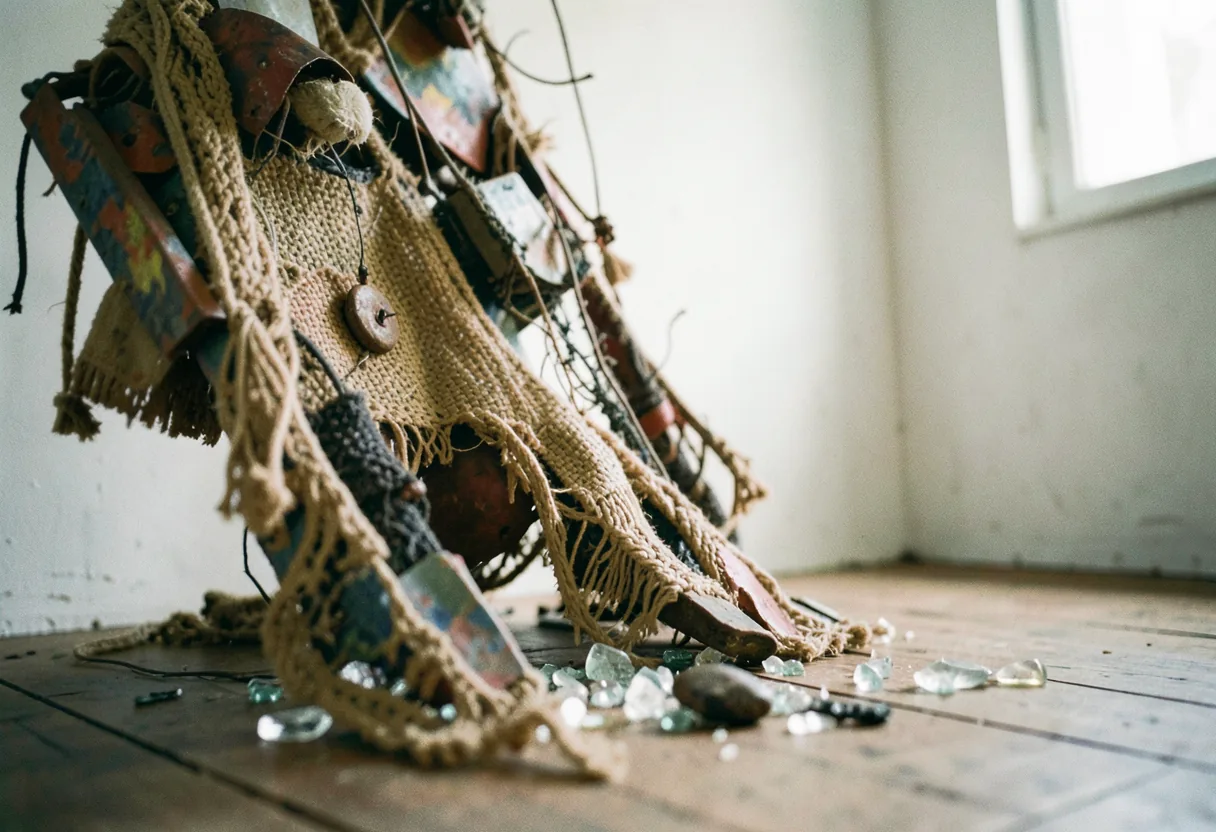
Fabric is a versatile material used for weaving, sewing, and quilting, offering a wide range of textures and patterns. Yarn and thread can be used for knitting, crocheting, and embroidery, creating intricate, detailed works. Mixed media combines textiles with other materials, such as paint, metal, or found objects, to explore conceptual themes and textures. Textiles can be incorporated into installation art to create soft, interactive elements that engage the viewer on a tactile level. For example, artists like Sheila Hicks use textiles to create large-scale, sculptural installations that transform spaces.
Understanding art mediums is crucial for artists looking to explore new techniques and materials in their work. Whether you’re a beginner or an experienced artist, experimenting with different mediums can open up new creative possibilities and help you find your unique voice. The key is to start with accessible, forgiving mediums and gradually explore more complex techniques as you gain confidence and skill.
Frequently asked questions
What are art installations?
Art installations are large-scale, site-specific artworks designed to transform a space and engage viewers. They often use mixed media, including sculpture, video, sound, and light, to create immersive environments. Installations can be temporary or permanent, indoors or outdoors, and aim to evoke emotions or convey complex ideas.
What are the five types of installation art?
Five types of installation art include immersive environments, interactive installations, participatory art, site-specific works, and mixed-media sculptures. Immersive environments envelop viewers in a sensory experience. Interactive installations respond to audience actions. Participatory art involves viewers in creating the artwork. Site-specific works are designed for a particular location. Mixed-media sculptures combine various materials.
How much does an art installation cost?
Costs vary widely. Small-scale installations might start at $5,000, while large, complex projects can exceed $500,000. Factors include materials, artist fees, fabrication, and installation logistics. Public art projects often involve additional costs for permits and maintenance. Budget constraints frequently shape the scope and scale of the work.
What is the 70 30 rule in art?
The 70-30 rule suggests allocating 70% of an art project's resources to essential elements, like materials and labor, and 30% to auxiliary costs, such as permits or marketing. This balance ensures the core creative vision receives priority funding while allowing for necessary operational expenses. It’s a practical guideline for managing art budgets efficiently.