
Principles of Site-Specific Art in Urban Environments

Jason Coleman · on 18 July 2026 · 8 min read · Last reviewed 18 July 2026
How is site-specific art different from traditional art?
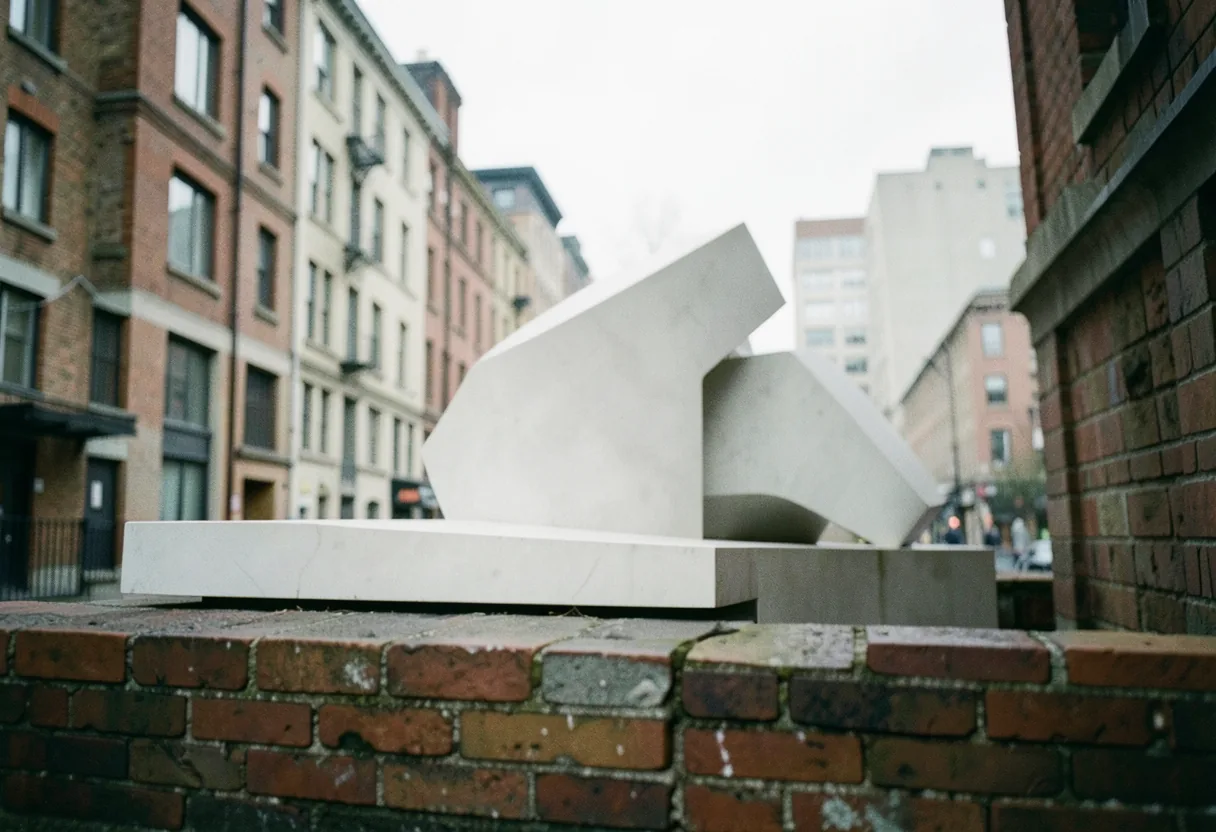
Site-specific art differs from traditional art in that it is created to exist in a particular location, with the artist considering the site’s physical and cultural context during planning and execution.
In plain terms: Think of traditional art as a painting that can hang in any gallery, while site-specific art is like a mural painted directly onto a specific wall, designed to interact with that wall’s unique features and the surrounding environment.
Key facts
- Traditional art is often portable and can be displayed in various locations.
- Site-specific art is designed to be inseparable from its location.
- According to the Getty Conservation Institute, site-specific art challenges the traditional notion of art as an object that can be moved and sold.
- The context and environment of the site play a crucial role in the meaning and experience of site-specific art.
What materials are used in site-specific art?
Site-specific art can utilize a wide range of materials, from traditional art supplies to unconventional and found objects.
Artists often choose materials that complement or contrast with the site’s existing features. For example, an artist might use weather-resistant materials for an outdoor installation or incorporate local materials to connect with the community. The choice of materials can significantly impact the artwork’s durability, aesthetic, and interaction with the environment.
Key facts
- Common materials include steel, stone, wood, glass, and various mixed-media elements.
- Artists may also use digital media, light, sound, and even natural elements like plants or water.
- The materials used can influence the artwork’s lifespan and maintenance requirements.
- According to the Art Institute of Chicago, the choice of materials can also carry symbolic meaning, enhancing the artwork’s narrative or thematic content.
How do artists choose a site for their artwork?
Artists choose a site for their artwork based on its physical characteristics, cultural significance, and potential for meaningful interaction.
When selecting a site, artists consider factors such as the site’s history, its relationship to the surrounding community, and its potential to enhance or challenge the viewer’s experience. They may also look for sites that offer unique opportunities for creative expression, such as unusual architectural features or natural landscapes. The process of choosing a site often involves extensive research, site visits, and collaboration with local stakeholders.
Key facts
- Artists may collaborate with architects, urban planners, or community groups to identify suitable sites.
- The site’s physical characteristics, such as size, shape, and materials, can influence the artwork’s design.
- Cultural and historical context can provide inspiration and depth to the artwork.
- According to the Tate Modern, artists often seek sites that offer a dialogue between the artwork and its environment.
What role does the community play in site-specific art?
The community plays a crucial role in site-specific art, as the artwork is often intended to engage, reflect, or impact the local population.
Put simply: Imagine a community garden transformed into an art installation, the garden’s purpose and the community’s connection to it shape the artwork, making it a shared experience rather than a solitary observation.
Key facts
- Community involvement can range from consultation to active collaboration in the artwork’s creation.
- Site-specific art can address local issues, celebrate community history, or foster a sense of pride and belonging.
- According to a study by the University of Pennsylvania, public art can enhance community identity and social cohesion.
- Artists may hold workshops, public meetings, or other engagement activities to involve the community in the artistic process.
What are the challenges of creating site-specific art?
The challenges of creating site-specific art include logistical, technical, and cultural considerations that can impact the artwork’s success.
Working through permitting processes, securing funding, and ensuring artwork durability and safety are crucial tasks. They also need to consider the site’s cultural and historical context, as well as the community’s needs and expectations. Additionally, site-specific art often requires collaboration with various stakeholders, including local governments, businesses, and community organizations. These challenges can be complex and time-consuming, but they are essential for creating meaningful and impactful artworks.
Key facts
- Permitting and legal considerations can vary significantly depending on the site’s location and ownership.
- Funding for site-specific art often comes from a combination of public and private sources.
- According to the National Endowment for the Arts, artists must also consider the artwork’s long-term maintenance and preservation.
- Cultural sensitivity is crucial, as the artwork should respect and reflect the site’s history and the community’s values.
How does site-specific art impact urban planning?
Art created specifically for certain locations can significantly impact urban planning by enhancing public spaces, promoting community engagement, and fostering a sense of place.
Creating public spaces like parks, plazas, and transportation hubs often involves collaboration between urban planners and artists. This collaboration can result in unique, functional, and aesthetically pleasing environments that reflect the community’s identity and values. Site-specific art can also address urban issues, such as traffic congestion, crime, or lack of green spaces, by transforming underutilized or neglected areas into vibrant, welcoming destinations. By incorporating art into urban planning, cities can create more livable, sustainable, and culturally rich environments.
Key facts
- According to the American Planning Association, public art can enhance the quality of life in urban areas by promoting walkability, social interaction, and cultural vibrancy.
- Site-specific art can also contribute to the economic development of urban areas by attracting tourists, increasing property values, and supporting local businesses.
- Artists and urban planners may collaborate on projects that integrate art into the design of streets, sidewalks, and public transportation systems.
- The use of art in urban planning can also address environmental concerns, such as stormwater management or urban heat island effects, by incorporating green infrastructure and sustainable materials.
What are some examples of site-specific art in museums?
Museums around the world feature site-specific artworks that engage with their architectural and cultural context.
MoMA in New York, for example, has commissioned numerous site-specific installations, such as “The 90’s: Fragmented Identity” by Rachel Whiteread, which transformed the museum’s atrium into an immersive, labyrinthine space using cast plaster. Another notable example is “The Weather Project” by Olafur Eliasson at the Tate Modern in London, which used mirrors, lights, and mist to create an artificial sun in the museum’s Turbine Hall. These examples demonstrate how site-specific art can enhance the museum experience by creating unique, engaging, and thought-provoking environments.
How can artists ensure the longevity of site-specific art?
Creating longevity for site-specific art involves careful planning, material selection, and maintenance strategies.
The short version: Think of it like building a house, you wouldn’t use flimsy materials or ignore maintenance, as the structure’s longevity depends on careful construction and upkeep.
Key facts
- Artists should choose durable, weather-resistant materials suitable for the site’s environmental conditions.
- Collaboration with conservation professionals can help artists develop long-term maintenance plans.
- According to the Getty Conservation Institute, regular inspections and preventive maintenance can extend the artwork’s lifespan.
- Documentation and monitoring systems can help track the artwork’s condition and identify potential issues early.
What are the ethical considerations in site-specific art?
Art raises ethical considerations, including respect for a site’s history, cultural significance, and community values.
Mindfulness of the site’s cultural and historical context, as well as the potential impact on the local community, is essential for artists. They should engage in open dialogue with stakeholders, address any concerns or objections, and strive to create artworks that are inclusive, respectful, and meaningful. Ethical considerations also extend to the environmental impact of the artwork, as artists should minimize any harm to the site’s natural features or ecosystems. By adhering to ethical principles, artists can create site-specific artworks that are not only aesthetically compelling but also socially and environmentally responsible.
Key facts
- Artists should conduct thorough research on the site’s history and cultural significance.
- Community engagement and consultation are crucial for addressing ethical concerns and ensuring the artwork’s relevance.
- According to the International Council of Museums (ICOM), artists should also consider the potential impact of their artwork on the site’s natural environment.
- Ethical considerations may also involve addressing issues of representation, appropriation, and power dynamics in the artwork’s content and context.
How does site-specific art contribute to the tourism industry?
Site-specific art can contribute to the tourism industry by attracting visitors, enhancing the visitor experience, and promoting cultural exchange.
Artworks that are unique, visually striking, and deeply connected to their site can draw tourists from around the world, generating economic benefits for local businesses and communities. Site-specific art can also enhance the visitor experience by creating memorable, engaging, and educational encounters with the local culture, history, and environment. Additionally, artworks that address universal themes or issues can facilitate cultural exchange and dialogue, fostering a greater understanding and appreciation of diverse perspectives. By leveraging the power of site-specific art, destinations can differentiate themselves, attract visitors, and promote sustainable tourism development.
Key facts
- According to the World Tourism Organization, cultural tourism, including art-related experiences, is one of the fastest-growing segments of the tourism industry.
- Site-specific art can create photo opportunities and iconic images that promote destinations on social media and other marketing channels.
- Artworks that tell stories or convey local narratives can provide educational and interpretive value for visitors.
- The economic impact of art tourism can extend beyond the art sector, benefiting local retailers, restaurants, and accommodation providers.
Takeaway
Site-specific art is a dynamic and multifaceted field that offers unique opportunities for creative expression, community engagement, and cultural exchange. By how the principles, challenges, and impacts of site-specific art, artists, urban planners, and community members can collaborate to create meaningful and transformative artworks that enrich public spaces and enhance the quality of life for residents and visitors alike.
Frequently asked questions
What defines site-specific art in urban settings?
Site-specific art is created to interact directly with its physical environment, often responding to architectural, historical, or social contexts. For example, Richard Serra’s 'Tilted Arc' in Manhattan’s Federal Plaza used the space’s geometry and public function to provoke dialogue about urban spaces. The art’s meaning is inseparable from its location.
How does site-specific art engage with local communities?
Artists often collaborate with residents or address local issues, fostering a sense of ownership. Kehinde Wiley’s 'Rumors of War' reimagined a Confederate statue in Times Square, sparking conversations about race and public memory. Community involvement ensures the art reflects and resonates with the people who experience it daily.
What challenges do artists face when creating site-specific works?
Permits, funding, and public opinion can derail projects. Jenny Holzer’s 'Protect Protect' in downtown Brooklyn faced delays due to zoning laws. Artists must navigate bureaucratic hurdles while maintaining artistic integrity. Temporary installations, like Olafur Eliasson’s 'Ice Watch,' avoid some issues but limit long-term impact.
Can site-specific art be relocated without losing its significance?
Relocating such art often diminishes its impact. Mark di Suvero’s 'Joie de Vivre' was moved from Battery Park to the New York Harbor, altering its dialogue with the cityscape. Context is everything; removing the art from its intended environment risks reducing it to a generic sculpture.
Related Reading
- How Much Does an Art Installation Cost? Budget Breakdown
- Planning Successful Public Art Projects
- Public Art Installations Examples That Transform Cities
- Best Art Installations Near California to Visit
Part of the Public & Site-Specific guide hub.