
History & Theory
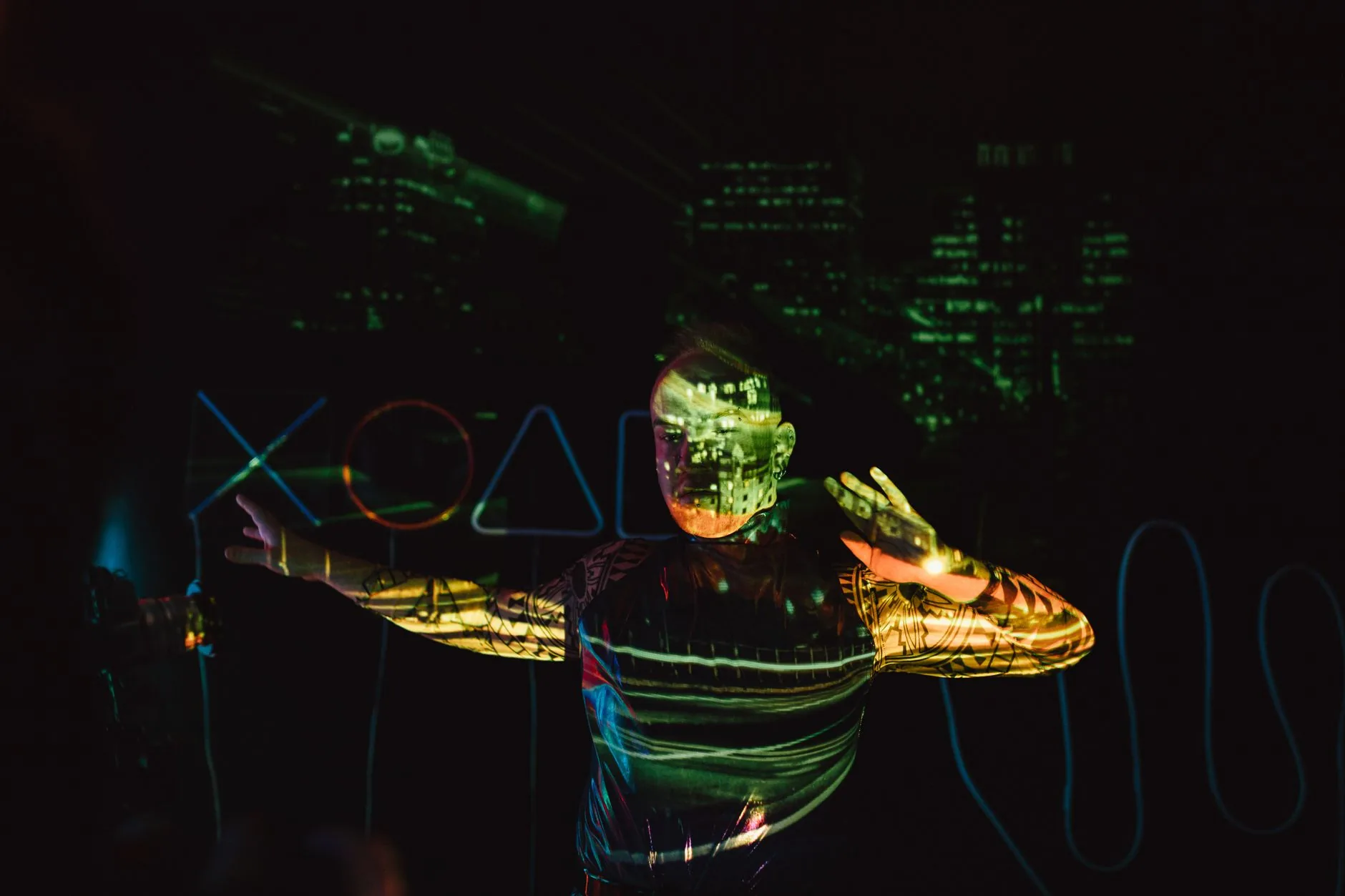
Looking at the history of installation art and its impact on museums
The history of installation art has significantly influenced the evolution of museum design and architecture, challenging traditional exhibition spaces and encouraging innovative spatial configurations. As installation art often requires immersive, site-specific environments, museums have had to adapt their interiors to accommodate these demands. This has led to the creation of flexible, open-plan spaces that can be transformed to suit different installations, such as the Tate Modern’s Turbine Hall, which was designed to host large-scale, temporary installations.
The influence of installation art can also be seen in the integration of architectural elements within artworks, and vice versa. Artists like Dan Graham and Rachel Whiteread have blurred the boundaries between art and architecture, creating works that engage with the physical structure of the museum itself. This has encouraged museums to reconsider their role as passive containers for art and instead become active participants in the artistic process. For example, the Menil Collection in Houston, Texas, was designed in collaboration with artist Renzo Piano to create a building that is both a work of art and a space for displaying art.
Beyond that, installation art has driven the development of new technologies and materials in museum design. As artists push the boundaries of what is possible within a given space, museums have had to innovate in their use of lighting, sound, and interactive technologies. For instance, the teamLab Borderless museum in Tokyo utilizes digital projections and interactive installations to create a fully immersive, ever-changing environment. This has not only enhanced the visitor experience but also opened up new possibilities for museum design and architecture.
To close, installation art has played a pivotal role in shaping the evolution of museum design and architecture. By challenging traditional exhibition spaces and encouraging innovation, installation art has transformed museums from static display cases into dynamic, interactive environments that engage visitors on multiple levels. As installation art continues to evolve, it is likely that its influence on museum design and architecture will only grow stronger.
How has installation art influenced the development of immersive technologies like virtual reality?
Installation art, with its emphasis on immersive environments and sensory engagement, has significantly influenced the development of immersive technologies like virtual reality (VR). The desire to create fully enveloping experiences that blur the boundaries between art and audience has driven artists and technologists to explore new digital frontiers. Pioneering installation artists, such as Yayoi Kusama and James Turrell, have pushed the limits of physical space and perception, laying the groundwork for the immersive qualities now associated with VR.
One of the key contributions of installation art to VR is the concept of environmental storytelling. Installation artists often design spaces that tell a narrative through the arrangement of objects, light, and sound. This approach has been adopted by VR developers who seek to create compelling digital environments that engage users on multiple sensory levels. For example, the VR experience “The Machine to Be Another” draws inspiration from installation art by allowing users to embody different identities and explore virtual spaces, fostering empathy and connection.
Also, installation art has influenced the technical aspects of VR development. Artists have long experimented with interactive elements, using sensors and responsive materials to create dynamic environments. These innovations have paved the way for the interactive and responsive nature of VR technologies. Projects like “TeamLab Borderless” in Tokyo blend installation art with digital interactivity, creating smooth and immersive experiences that challenge traditional notions of art and technology. This synergy has encouraged VR developers to integrate more sophisticated interactive features, enhancing user engagement and immersion.
Installation art’s influence on VR is also evident in both mediums’ emphasis on the viewer’s physical presence. Installation art often requires the viewer to navigate and interact with the space, making the body an integral part of the experience. Similarly, VR technologies aim to create a sense of physical presence in a virtual environment, often referred to as “presence” or “immersion.” This shared focus on the viewer’s bodily experience has led to collaborations between installation artists and VR developers, resulting in hybrid projects that push the boundaries of both fields. For instance, the VR installation “Carne y Arena” by Alejandro G. Iñárritu combines physical elements with virtual reality to create a deeply immersive and emotionally resonant experience.
How has installation art influenced the design of public spaces?
Installation art has significantly impacted the design of public spaces by challenging traditional notions of what constitutes public art and how it engages with its audience. Unlike static monuments or sculptures, installations often create immersive environments that encourage interaction and contemplation. This has led to a shift in public space design, with cities and municipalities increasingly commissioning site-specific installations that transform ordinary spaces into dynamic, multi-sensory experiences.
One notable example is the High Line in New York City, a public park built on an elevated railway line. The High Line incorporates various installation art elements, such as temporary exhibitions, sound installations, and interactive digital displays, creating a unique urban experience. This blend of art and public space design has inspired similar projects worldwide, demonstrating how installation art can revitalize neglected areas and foster community engagement.
Also, installation art has influenced the design of public spaces by promoting accessibility and inclusivity. Many contemporary installations are designed to be experienced by people of all ages and abilities, encouraging designers to consider the diverse needs of the public. For instance, the “Wonderland: Alice’s Rock & Roll Adventure” installation at the Denver Botanic Gardens features tactile elements and multimedia components that cater to various sensory preferences, making the experience enjoyable for a broader audience. This emphasis on inclusivity has become a main factor in the design of public spaces.
Additionally, installation art has encouraged the use of sustainable and eco-friendly materials in public space design. As environmental awareness has grown, many artists have incorporated recycled, biodegradable, or low-impact materials into their installations. This trend has influenced public space designers to adopt more sustainable practices, resulting in green spaces that are not only aesthetically pleasing but also environmentally responsible. A prime example is the “Green River” project by artist Victoria Fuller, which used natural materials to create an immersive, eco-conscious installation that raised awareness about environmental issues.
How did installation art intersect with technological advancements in the late 20th century?
Installation art’s evolution in the late 20th century was significantly influenced by rapid technological advancements. As technology became more accessible and sophisticated, artists began incorporating new media into their installations, creating immersive and interactive experiences that were previously unimaginable. This intersection of art and technology led to a new wave of installations that challenged traditional notions of art and its engagement with the viewer.
One of the most notable examples of this intersection is the work of artist Nam June Paik, often referred to as the “father of video art.” Paik’s installations, such as his 1984 piece “Electronic Superhighway,” utilized television sets, monitors, and video projections to create dynamic, multi-media environments. By integrating technology into his art, Paik explored themes of global communication, cultural exchange, and the impact of media on society. His work demonstrated how installation art could evolve to reflect the technological landscape of the time.
Another significant development was the rise of interactive installations, which allowed viewers to actively engage with the artwork. Artists like Myron Krueger, who created the “Videoplace” series in the 1970s and 1980s, used computer vision technology to enable real-time interaction between the viewer and the installation. These interactive pieces blurred the lines between artist, artwork, and audience, creating a participatory experience that was revolutionary for its time. The integration of technology not only enhanced the visual and sensory aspects of installation art but also transformed the role of the viewer from a passive observer to an active participant.
During the late 20th century, digital art and virtual reality installations emerged, extending the limits of conventional art forms. Artists like Char Davies, with her 1995 work “Osmoze,” utilized virtual reality technology to create immersive, three-dimensional environments that viewers could navigate. These digital installations explored themes of consciousness, perception, and the relationship between the physical and virtual worlds. The incorporation of digital technology into installation art opened up new possibilities for artistic expression and continues to influence contemporary art practices today.
How has the digital revolution influenced the evolution of installation art?
Artists now leverage the digital revolution to create immersive, interactive, and technologically complex experiences, significantly expanding the possibilities of installation art. Digital tools and technologies have allowed artists to push the boundaries of traditional installation art, incorporating elements such as virtual reality (VR), augmented reality (AR), projection mapping, and generative algorithms. These innovations have led to the emergence of new forms of installation art that engage viewers in unprecedented ways, blurring the lines between physical and digital spaces.
One of the most notable impacts of the digital revolution on installation art is the rise of interactive installations. Artists now have the ability to create works that respond to the presence and actions of viewers, making the audience an active participant in the artistic experience. For example, Rafael Lozano-Hemmer’s “Pulse Room” installation uses sensors to detect the heartbeat of participants, translating this data into a series of lights that flicker in response. This interactive element not only creates a unique experience for each viewer but also fosters a sense of connection and shared humanity. Similarly, teamLab, a Japanese art collective, creates large-scale digital installations that respond to the movements of viewers, creating a dynamic and ever-changing environment.
Another significant development in digital installation art is the use of VR and AR technologies. These tools allow artists to create immersive environments that viewers can explore and interact with in ways that were previously impossible. For instance, the installation “The Treachery of Sanctuary” by teamLab uses AR technology to project digital elements onto physical objects, creating a smooth blend of real and virtual worlds. Similarly, the work of artists like Jacolby Satterwhite, who uses VR to create fantastical, otherworldly environments, showcases the potential of digital technologies to transport viewers to entirely new realms of experience. These innovations have not only expanded the possibilities of installation art but have also opened up new avenues for storytelling and artistic expression.
Advancements in digital technology have also enabled the development of large-scale, site-specific installations that are becoming increasingly complex and technologically sophisticated. Artists can now use advanced software and hardware to create installations that respond to their environment in real-time, adapting to changes in light, sound, and movement. For example, the work of artists like Refik Anadol, who uses machine learning algorithms to create data-driven installations, demonstrates the potential of digital technologies to transform raw data into immersive, sensory experiences. These advancements have not only enhanced the aesthetic and emotional impact of installation art but have also expanded its potential as a medium for looking at contemporary issues and themes.