
Famous Art Installations That Redefined Contemporary Culture
Jason Coleman · on 18 July 2026 · 7 min read · Last reviewed 18 July 2026
Famous art installations are large-scale, immersive artworks designed to transform spaces and engage viewers on multiple sensory levels, often blurring the lines between art, architecture, and performance.
In plain terms: think of famous art installations as grand theatrical stages where artists set the scene, cast viewers as participants, and use everything from light to sound to evoke emotion, like a live, walk-through painting.
Key facts
- The Gates installation in Central Park, designed by Christo and Jeanne-Claude in 2005, used 7,503 saffron-colored gates to redefine public space.
- Yayoi Kusama’s Infinity Mirror Rooms use mirrors and LED lights to create the illusion of infinite space, attracting millions of visitors worldwide.
- According to The Art Newspaper, contemporary art installations can cost between **$100,000 and $5 million**, depending on scale and materials.
- Interactive installations, like teamLab’s Borderless in Tokyo, blend digital art and physical space, allowing viewers to influence the artwork.
What are art installations?
Art installations are site-specific artworks that use various materials, media, and sometimes technology to create an immersive experience for viewers.
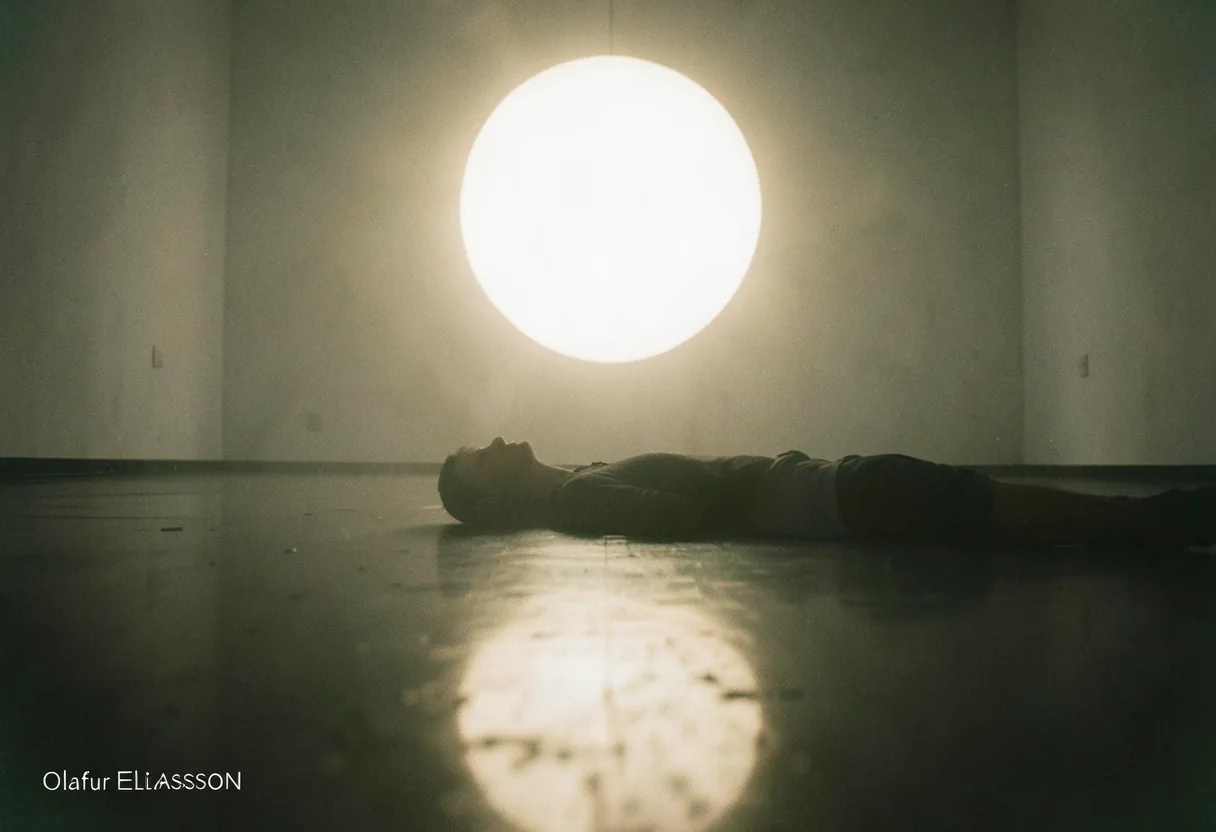
Unlike traditional paintings or sculptures, installations often occupy entire rooms or outdoor spaces, encouraging interaction and exploration. They can incorporate elements like video, sound, and even natural materials to evoke specific emotions or ideas. For example, Olafur Eliasson’s Weather Project at the Tate Modern in 2003 used a massive sun sculpture and mist to create an artificial climate inside the museum, inviting viewers to question their relationship with nature.
Installations can be temporary or permanent, indoor or outdoor, and may involve collaboration with architects, engineers, and other artists. The first time I really looked at an installation, I realized how deeply it could alter my perception of the space around me, like stepping into another world.
What are the five types of installation art?
The five main types of installation art are site-specific, interactive, immersive, mixed-media, and participatory.
Site-specific installations are designed for a particular location, like Christo and Jeanne-Claude’s Surrounded Islands, where they wrapped 11 islands in Miami’s Biscayne Bay with pink fabric in 1983. Interactive installations, such as Rafael Lozano-Hemmer’s Pulse Room, react to the presence or actions of viewers. Immersive installations, like teamLab’s Planets Tokyo, envelop visitors in a fully sensory experience. Mixed-media installations combine multiple materials and techniques, while participatory installations encourage audience involvement, such as Ai Weiwei’s Sunflower Seeds at the Tate Modern.
How much does an art installation cost?
An art installation can cost anywhere from **$10,000 to over $5 million**, depending on factors like scale, materials, and artist reputation.
Put simply: think of it like planning a wedding, budget-friendly backyard celebrations exist, but a luxury affair at a high-end venue will cost significantly more.
| Type | Cost Range | Example |
|---|---|---|
| Small-scale, local installations | $10,000 – $50,000 | Community murals or pop-up exhibits |
| Mid-sized gallery installations | $50,000 – $500,000 | Interactive digital exhibits in museums |
| Large-scale public art | $500,000 – $5 million+ | Christo’s Floating Piers |
According to a 2022 report by the International Foundation for Art Research, the average cost of a mid-sized installation in a major gallery is around **$300,000**. Factors like permits, labor, and materials can drive costs up, especially for outdoor installations that require structural engineering. For example, Yayoi Kusama’s Infinity Mirrored Room, The Souls of Millions of Light Years Away at the Hirshhorn Museum cost over **$2 million** to create and install.
What is the 70-30 rule in art?
The 70-30 rule in art suggests that 70% of an artwork’s impact comes from its concept and composition, while 30% comes from technical execution.
In installations, this means the idea behind the piece, its emotional or intellectual resonance, matters more than the technical details. For instance, James Turrell’s Skyspace installations focus on manipulating natural light to create meditative spaces, prioritizing the viewer’s experience over complex machinery. The rule emphasizes that even the simplest materials can create powerful art if the concept is strong.
Art installations near California
California is home to some of the world’s most famous art installations, from desert landmarks to urban exhibits.
| Installation | Location | Artist |
|---|---|---|
| The Urban Light | Los Angeles County Museum of Art (LACMA) | Chris Burden |
| Levitated Mass | Los Angeles County Museum of Art (LACMA) | Michael Heizer |
| Seven Magic Mountains | Las Vegas, Nevada (near California border) | Ugo Rondinone |
| The Getty Villa | Pacific Palisades, California | Multiple artists (ancient Roman-inspired) |
For example, The Urban Light is a permanent installation at LACMA featuring 202 restored antique street lamps, while Levitated Mass showcases a 340-ton granite boulder suspended over a slot in the ground. These installations draw millions of visitors annually, blending art with the natural and built environment.
Art installations near Texas
Texas boasts a thriving art scene with installations ranging from futuristic sculptures to interactive digital art.
| Installation | Location | Artist |
|---|---|---|
| The Dallas Museum of Art’s Fountain of the Centaur | Dallas, Texas | Pompeo Coppi |
| The Austin Public Art Program | Various locations in Austin | Multiple artists |
| The Nasher Sculpture Center’s Eclipse | Dallas, Texas | Rafael Lozano-Hemmer |
For instance, the Nasher Sculpture Center’s Eclipse uses real-time data to create a light installation that responds to human interaction, blending technology and art. The Austin Public Art Program features over 100 installations across the city, including Rain by Leo Villareal, which transforms a bridge into a dynamic light show.
Installation art examples
Installation art examples include immersive environments, interactive exhibits, and large-scale public artworks.
One standout example is Mirrored Room by Yayoi Kusama, which uses mirrors and LED lights to create an infinite visual experience. Another notable example is The Weather Project by Olafur Eliasson, which transformed the Tate Modern’s Turbine Hall into a sun-filled dreamscape. These installations challenge viewers to engage with art in new ways, often blurring the lines between observer and participant.
Contemporary art installations
Contemporary art installations often push boundaries by incorporating new technologies and unconventional materials.
For example, teamLab’s Borderless in Tokyo employs augmented reality to craft an interactive digital world where visitors can step inside the art. Another modern exhibit, The Color Inside by James Turrell at the Los Angeles County Museum of Art, uses light to alter perception and create a meditative space. These works reflect the evolving nature of art in the digital age, where technology and creativity intersect.
Famous art installations
Famous art installations often become cultural landmarks, drawing visitors from around the world.
Examples include The Gates in Central Park, designed by Christo and Jeanne-Claude, which transformed the park into a vibrant, orange-covered wonderland in 2005. Another iconic installation is The Floating Piers by Christo, which allowed visitors to walk on a floating pathway across Italy’s Lake Iseo in 2016. These installations capture the imagination and redefine public spaces, making them unforgettable experiences.
Art installations for sale
Art installations for sale can range from small-scale pieces to large, custom-designed works.
Artsy offers a variety of contemporary art installations from emerging and established artists. Galleries like Hauser & Wirth and Gagosian also sell installation art, often collaborating with artists to create bespoke pieces for private collectors or public spaces. Prices vary widely, from a few thousand dollars for smaller works to millions for large-scale commissions.
Explore this Term: Gesamtkunstwerk
Gesamtkunstwerk, a term originating from 19th-century German opera, refers to a total work of art that combines multiple artistic disciplines into a unified experience.
In contemporary art, installations like Olafur Eliasson’s Weather Project and teamLab’s Borderless embody this concept by integrating light, sound, and architecture into immersive environments. The term highlights the collaborative nature of installation art, where artists often work with engineers, architects, and designers to realize their vision.
Art and Objecthood
In 1967, critic Michael Fried presented the concept of Art and Objecthood, questioning art as an object and highlighting the viewer’s experience.
Installations, by their nature, often reject the traditional notion of art as a static object. For example, Marina Abramović’s The Artist is Present at the Museum of Modern Art in New York required viewers to engage directly with the artist, blurring the line between art and performance. This concept continues to influence contemporary installation art, where the viewer’s participation is central to the artwork’s meaning.
Interactive installations
Interactive installations invite viewers to engage with the artwork, often using technology to create dynamic, responsive experiences.
Examples include Rafael Lozano-Hemmer’s Pulse Room, which uses heart rate sensors to control hanging light bulbs, and The Color Inside by James Turrell, which alters light and color based on viewer movement. These installations transform the viewer from a passive observer into an active participant, creating a unique experience for each individual.
In my experience, the most memorable installations are those that challenge viewers to see the world differently, whether through technology, interactivity, or sheer scale.
Frequently asked questions
Which art installation first brought street art into mainstream museums?
Banksy's "Dismaland" in 2015 challenged traditional art spaces by creating a dystopian theme park. It featured subversive works, blending street art with high art, and drew over 150,000 visitors. This installation critiqued consumerism and media, proving street art's cultural relevance.
How did Yayoi Kusama's 'Infinity Mirrors' change public perception of immersive art?
Kusama's 2016 exhibition used mirrors and LED lights to create endless reflections. It broke attendance records at institutions like the Hirshhorn Museum, showing immersive art's power to engage diverse audiences. The installations' psychological depth made them more than visual spectacles.
What makes Ai Weiwei's 'Sunflower Seeds' significant in contemporary art?
Installed in 2010 at Tate Modern, this work featured 100 million handcrafted porcelain seeds. It commented on mass production and individual labor, blending Chinese cultural symbols with global issues. The sheer scale forced viewers to confront collective and personal identity.
Why did Christo and Jeanne-Claude's 'The Gates' (2005) spark debate in Central Park?
The installation placed 7,503 saffron-colored gates along park pathways. Critics argued it commercialized public space, while supporters praised its fleeting beauty. The project's temporary nature and reliance on natural light made it a landmark in environmental art.
Related Reading
- Abstractionism Artwork: Theory and Practice
- Abstract Painting 726: Color Theory in Installations
- Contemporary Art Installations Dominating Galleries Today