
Common Artistic Mediums Used by Installers
Jason Coleman · on 18 July 2026 · 13 min read · Last reviewed 18 July 2026
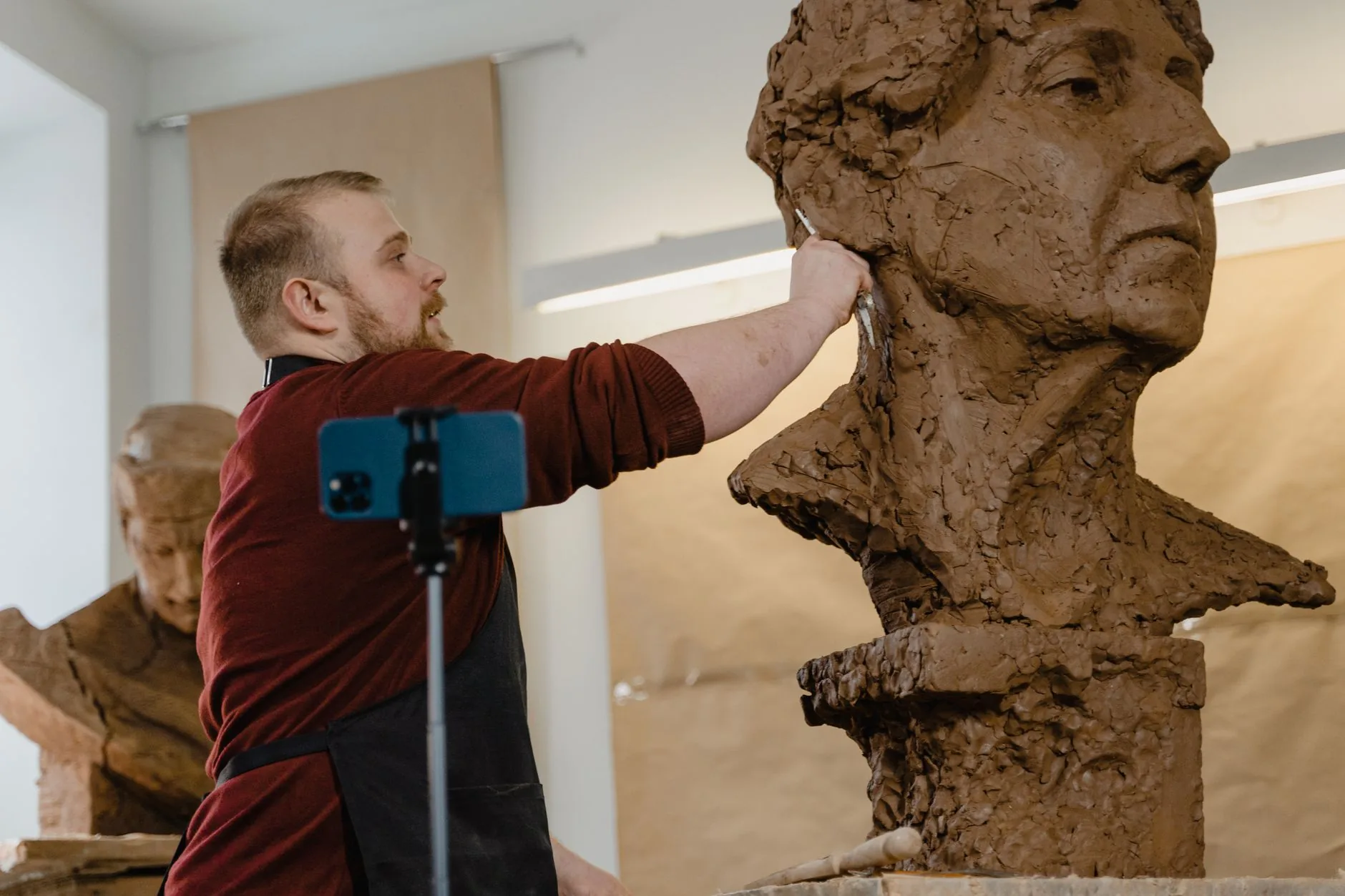
Artistic mediums are the materials and techniques artists use to create installations, from traditional paints to cutting-edge digital projections.
In plain terms: Think of artistic mediums as the palette a chef uses to create a meal: some chefs might specialize in pasta, others in sushi, but all use their medium to transform raw ingredients into something extraordinary.
Key facts
- Art installations can range from small, intimate spaces to large, immersive environments.
- Common mediums include painting, sculpture, video, sound, and mixed media.
- Installations often engage multiple senses, creating a holistic experience for viewers.
- According to the Recollection Quartett Installation Art Guide, the choice of medium can dramatically influence the emotional impact of an installation.
What are art installations?
Art installations are large-scale, site-specific artworks designed to transform a space and engage viewers in a multisensory experience.
Installations can be temporary or permanent and often involve a combination of mediums to create a cohesive narrative or atmosphere. For example, Yayoi Kusama’s “Infinity Mirror Rooms” use mirrors, lights, and water to create an immersive, otherworldly experience. The first time I really looked at one of Kusama’s installations, I was struck by how the reflections seemed to extend infinitely, making the space feel both vast and intimate simultaneously.
Installations can be found in a variety of settings, from museums and galleries to public spaces and private collections. Some notable examples include the Christo and Jeanne-Claude's "The Gates" in Central Park and Olafur Eliasson’s “The Weather Project” at the Tate Modern. These works often challenge traditional notions of art by focusing on the viewer’s experience and interaction with the environment.
What are the five types of installation art?
The five types of installation art are spatial, temporal, interactive, immersive, and mixed-media installations.
Spatial installations focus on the physical layout and architecture of a space, using elements like light, sound, and sculpture to create a sense of place. Temporal installations, on the other hand, emphasize the passage of time, often incorporating elements that change or evolve over the course of the exhibition. Interactive installations invite viewers to participate, using technology or other means to create a dynamic experience. Immersive installations aim to fully enclose the viewer in a sensory environment, while mixed-media installations combine multiple artistic mediums to create a cohesive whole.
| Type | Description | Example |
|---|---|---|
| Spatial | Focuses on the physical layout and architecture of a space | Richard Serra’s “Torqued Ellipses” |
| Temporal | Emphasizes the passage of time | Wolfgang Laib’s “Pollendrift” |
| Interactive | Invites viewers to participate | TeamLab’s “Borderless” digital art museum |
| Immersive | Aims to fully enclose the viewer in a sensory environment | James Turrell’s “Skyspace” installations |
| Mixed-media | Combines multiple artistic mediums | Damien Hirst’s “Treasures from the Wreck of the Unbelievable” |
How much does an art installation cost?
The cost of an art installation can vary widely, typically ranging from $10,000 to several million dollars, depending on the scale, materials, and artist involved.
Smaller, local installations might cost between $10,000 and $50,000, while large-scale public art projects can cost millions. For example, the cost of Christo and Jeanne-Claude’s “The Gates” in Central Park was estimated at $21 million. According to the Art Media Association, the choice of medium can also significantly impact the cost, with digital and interactive installations often requiring specialized technology and expertise.
Artists often secure funding through grants, sponsorships, or private commissions. In some cases, public art installations may be funded through government programs or community initiatives. The cost can also be influenced by the duration of the installation, with temporary works often costing less than permanent ones.
What is the 70 30 rule in art?
Art’s 70 30 rule suggests that 70% of the composition should be simple or empty space, while 30% should contain the main focal points or elements.
This rule is often applied in installation art to create a sense of balance and harmony. By leaving a significant portion of the space empty, artists can draw the viewer’s attention to the key elements of the installation. For example, in Yayoi Kusama’s “Infinity Mirror Rooms,” the empty space between the mirrors and lights creates a sense of vastness and depth, enhancing the immersive experience.
Adapting the 70 30 rule to suit the specific needs of the installation is possible. Some artists may choose to use a different ratio, such as 60 40 or 80 20, depending on the desired effect. The key is to create a composition that feels balanced and cohesive, guiding the viewer’s eye through the space in an intentional way.
Art installations near California
California is home to a vibrant art scene, with numerous installations that showcase the state’s diverse cultural landscape.
One notable example is the “Urban Light” installation at the Los Angeles County Museum of Art (LACMA), created by artist Chris Burden. This work features 202 restored street lamps arranged in a grid, creating a mesmerizing play of light and shadow. Another iconic installation is the “Wave Organ” in San Francisco, a sound sculpture created by artist Peter Richards that uses underwater pipes to produce eerie, resonant sounds.
For those interested in contemporary art installations, the San Francisco Museum of Modern Art and the Museum of Contemporary Art (MOCA) in Los Angeles are excellent choices. These institutions regularly feature installations that challenge the limits of artistic mediums and techniques.
Art installations near Texas
Texas boasts a thriving art scene, with installations that reflect the state’s rich history and cultural diversity.
One standout example is the “Rainbow Panorama” by artist Dan Graham at the Nasher Sculpture Center in Dallas. This colorful, reflective installation invites viewers to walk through a series of mirrored panels, creating a kaleidoscopic view of the surrounding landscape. Another notable work is the “Waterfall” installation at the Kimbell Art Museum in Fort Worth, which features a cascading water feature surrounded by lush greenery.
Austin Museum of Art and the Contemporary Art Museum of Houston display a wealth of installation art, showcasing works by both local and international artists. These institutions often feature immersive and interactive installations that engage visitors in unique and memorable ways.
Installation art examples
Installation art examples span a wide range of styles and techniques, from immersive environments to interactive experiences.
Marcel Duchamp’s “The Bride Stripped Bare by Her Bachelors, Even (The Large Glass)” serves as a classic example, a complex assemblage of glass, wire, and dust that explores themes of desire and mechanization. Another notable work is Joseph Beuys’s “I Like America and America Likes Me,” in which the artist lived with a coyote in a gallery space for three days, creating a powerful commentary on the relationship between humans and nature.
Recent examples include teamLab’s “Borderless” digital art museum in Tokyo, which uses projections, sensors, and interactive elements to create an immersive experience. Another notable work is Ai Weiwei’s “Sunflower Seeds” at the Tate Modern, featuring millions of handcrafted porcelain seeds spread across the gallery floor, symbolizing collective action and individuality.
Contemporary art installations
Contemporary art installations often push the boundaries of traditional artistic mediums, incorporating technology, mixed media, and interactive elements.
Refik Anadol’s work exemplifies how an artist uses machine learning algorithms to create immersive, data-driven installations that visualize complex datasets in stunning, abstract forms. Another contemporary artist to watch is Neri Oxman, whose installations explore the intersection of art, science, and technology, often using biomimicry and 3D printing to create intricate, organic forms.
Contemporary Art Museum of Houston and San Francisco Museum of Modern Art offer excellent resources for looking at contemporary installations. These institutions regularly host cutting-edge works that challenge our perceptions of art and its role in society.
Famous art installations
Famous art installations have left a lasting impact on the art world, often sparking conversations and inspiring new movements.
Marcel Duchamp’s “Fountain,” a readymade urinal, challenged traditional notions of art and authorship. Another famous work is Robert Smithson’s “Spiral Jetty,” a massive earthwork sculpture created from basalt rocks and earth, which explores themes of entropy and the passage of time. The Recollection Quartett Installation Art Guide highlights these works as pivotal moments in the history of installation art.
More recent famous installations include Yayoi Kusama’s “Infinity Mirror Rooms,” which have captivated audiences worldwide with their immersive, otherworldly environments. Another notable work is Olafur Eliasson’s “The Weather Project” at the Tate Modern, which used lights, mirrors, and mist to create a simulated sunrise inside the gallery space.
Art installations for sale
Art installations for sale can range from small, affordable pieces to large-scale, high-value works.
For those looking to purchase an installation, online platforms like Artsy and Saatchi Art offer a wide range of options, from emerging artists to established names. Galleries and art fairs can also be excellent resources for finding unique, one-of-a-kind installations. According to the Art Media Association, the cost of an installation can vary widely depending on the artist, materials, and scale, with prices ranging from a few thousand dollars to several million.
When purchasing an installation, it’s important to consider factors like size, installation requirements, and the artist’s reputation. Some installations may require specialized equipment or expertise to set up, so it’s essential to work with a knowledgeable dealer or installer to ensure a successful purchase.
Explore this term
To further explore the term “artistic mediums,” it’s helpful to understand the broader context of installation art and its history.
Installation” describes a site-specific artwork designed to transform a space and engage viewers in a multisensory experience. Installations can take many forms, from traditional sculptures and paintings to cutting-edge digital and interactive works. The history of installation art can be traced back to the early 20th century, with pioneers like Marcel Duchamp and Kurt Schwitters paving the way for new forms of artistic expression.
Hub offers extensive materials for anyone interested in installation art, including articles, interviews, and case studies. Using these resources, you can learn more about the artistic mediums and techniques involved in installations.
Selected artworks in the collection
Many museums and galleries feature selected artworks in their collections that showcase the diversity of artistic mediums used in installations.
San Francisco Museum of Modern Art displays works by artists such as Andy Warhol, Nam June Paik, and Bill Viola, all of whom have greatly influenced installation art. Los Angeles’ Museum of Contemporary Art (MOCA) also has a notable collection, including pieces by Jenny Holzer, Bruce Nauman, and Barbara Kruger.
These collections offer a unique opportunity to explore the evolution of installation art and the various mediums that artists have employed to create their works. By studying these artworks, you can gain a deeper appreciation for the creative processes and techniques that underpin this dynamic and ever-changing art form.
Past exhibitions and displays
Past exhibitions and displays of installation art offer valuable insights into the history and development of this art form.
Documenta exhibition in Kassel, Germany, has offered a major platform for installation art since starting in 1955. This biennial event has featured works by artists like Joseph Beuys, Marina Abramović, and Ai Weiwei, each of whom has pushed the boundaries of artistic mediums and techniques. The Venice Biennale is another prestigious event that has showcased groundbreaking installations, with artists like Yayoi Kusama and Olafur Eliasson making significant contributions to the field.
Looking at past exhibitions and displays, you can follow the evolution of installation art and learn more about the artistic mediums that have influenced this dynamic and ever-changing art form. The Recollection Quartett Installation Art Guide covers these events and their impact on the art world.
History
Art’s history is a rich and complex field that spans decades and includes various artistic mediums and techniques.
Early pioneers like Marcel Duchamp and Kurt Schwitters laid the groundwork for installation art in the early 20th century, challenging traditional notions of art and authorship. In the 1960s and 1970s, artists like Robert Smithson and Richard Serra pushed the boundaries of installation art with their large-scale, site-specific works. The 1980s and 1990s saw the rise of immersive and interactive installations, with artists like James Turrell and Bill Viola creating works that engaged viewers on a multisensory level.
Authority Hub for Art Installations offers numerous resources for those interested in the history of installation art, including articles, interviews, and case studies. By examining these resources, you can gain a deeper understanding of the artistic mediums and techniques that have shaped this dynamic and ever-changing art form.
Installation
Transforming a space and engaging viewers in a multisensory experience, art is a site-specific form that often involves installation.
Artworks can take many forms, from traditional sculptures and paintings to cutting-edge digital and interactive pieces. The key characteristic of installation art is its focus on the viewer’s experience and interaction with the environment. Artists often use a combination of artistic mediums to create a cohesive narrative or atmosphere, drawing on elements like light, sound, and movement to create a holistic experience.
Art Media Association details installation art’s history, techniques, and key artists. Using these resources, you can learn more about the artistic mediums and processes that create installations.
Gesamtkunstwerk
Gesamtkunstwerk, or “total work of art,” is a concept that encompasses the idea of a unified, multisensory artistic experience.
This concept has been influential in the development of installation art, with artists striving to create works that engage all the senses and immerse viewers in a cohesive environment. The term was first coined by the German composer Richard Wagner in the 19th century, who sought to create a unified artistic experience that combined music, drama, and visual art. In the 20th century, artists like Marcel Duchamp and Kurt Schwitters embraced the concept of the Gesamtkunstwerk, creating installations that blended various artistic mediums to create a holistic experience.
Resources offered by Medium Authority Hub extensively cover the Gesamtkunstwerk concept and its impact on installation art. By examining these resources, you can develop a deeper understanding of the artistic mediums and techniques that support this dynamic and evolving art form.
Art and Objecthood
Looking at the relationship between art objects and their viewers, Objecthood is a concept that focuses on the physical and sensory experience of engaging with art.
Influential in the development of installation art, this concept inspires artists to create works that challenge traditional notions of art objects and invite viewers to interact with and experience the art in new ways. The term was first coined by the art critic Michael Fried in 1967, who argued that minimalist sculptures, with their focus on the viewer’s experience, threatened the autonomy of the art object. In response, artists like Robert Morris and Eva Hesse embraced the concept of art and objecthood, creating installations that blurred the boundaries between art and life.
Medium Authority Hub’s website offers detailed information on the concept of art and objecthood. Using these resources, you can learn more about the artistic mediums and processes that create installations.
Interactive installations
Interactive installations invite viewers to participate and engage with the artwork, often using technology to create a dynamic and responsive experience.
These installations can take many forms, from touch-sensitive surfaces to augmented reality environments. The key characteristic of interactive installations is their focus on the viewer’s agency and the creation of a unique, personalized experience. For example, teamLab’s “Borderless” digital art museum in Tokyo uses projections, sensors, and interactive elements to create an immersive experience that responds to the movements and actions of the viewers.
Interactive installations are a focus of Art Medium Authority Hub, which offers articles, interviews, and case studies. Using these resources, you can learn more about the artistic mediums and techniques that create these dynamic and ever-changing artworks.
Takeaway
What distinguishes acrylic paint from oil paint for installers?
Acrylic paint dries rapidly, making it ideal for layering and quick adjustments. Oil paint, however, offers deeper pigmentation and a slower drying time, allowing for more blending. Installers choose acrylics for speed and oils for richness and texture.
Why do installers prefer resin for 3D art installations?
Resin cures to a durable, glossy finish, resistant to scratches and UV damage. Its self-leveling properties create smooth surfaces, perfect for encapsulating objects or creating fluid-like effects. Installers value its versatility in encapsulating objects or crafting fluid-like effects.
How does spray paint differ from traditional brush painting for murals?
Spray paint allows for broad, even coverage and gradient effects, speeding up large-scale projects. Brush painting offers precision for details and textures. Installers often combine both techniques to balance efficiency and artistic nuance.
What makes glass a favored medium for light-based installations?
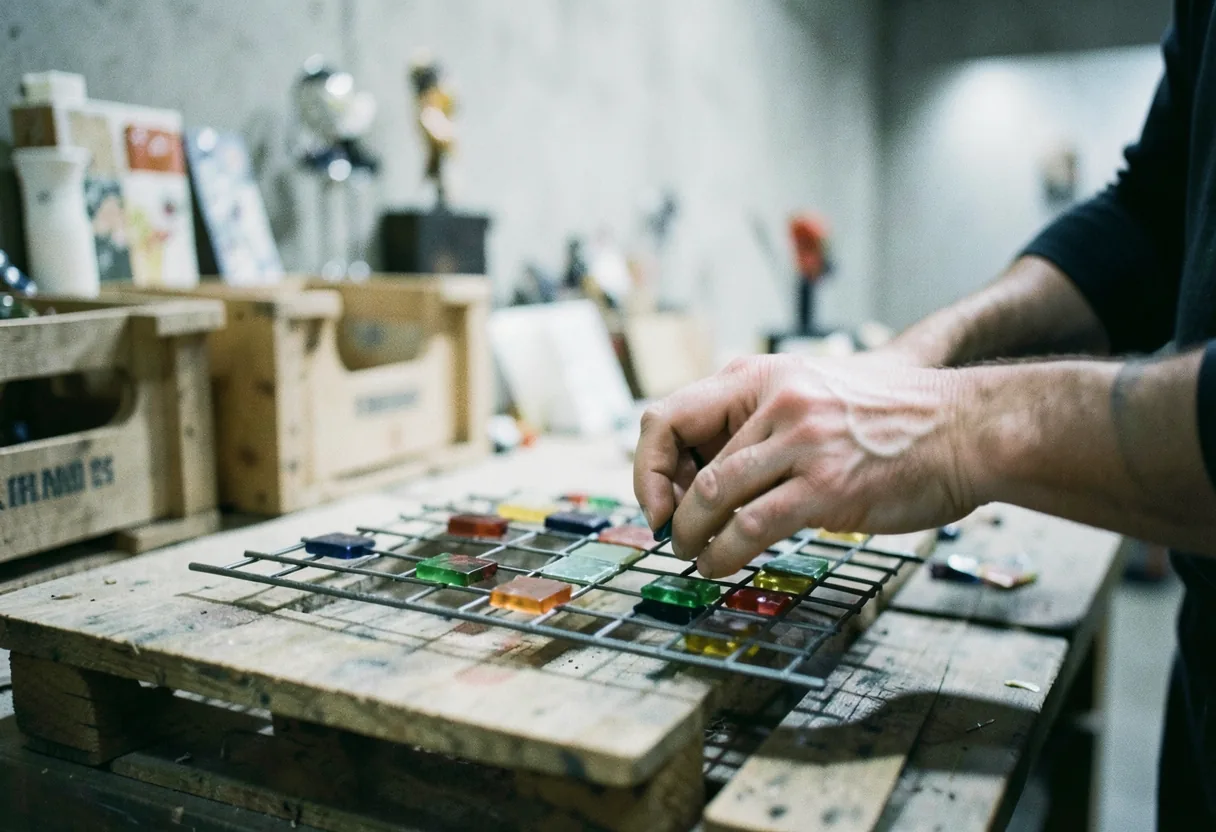
Glass refracts and reflects light, creating dynamic visual effects. Techniques like fusing, slumping, and staining enable installers to manipulate light and color. Its transparency and durability make it ideal for sculptures and architectural elements.
Related Reading
- Welcome to Recollection Quartett: Installation Art Guide
- Looking at Media in Contemporary Artworks
- Creating Multimedia Artworks That Engage Spaces
Part of the Fundamentals & Mediums guide hub.