
Types of Installation Art: Classifying Spatial Works
Jason Coleman · on 18 July 2026 · 12 min read · Last reviewed 18 July 2026
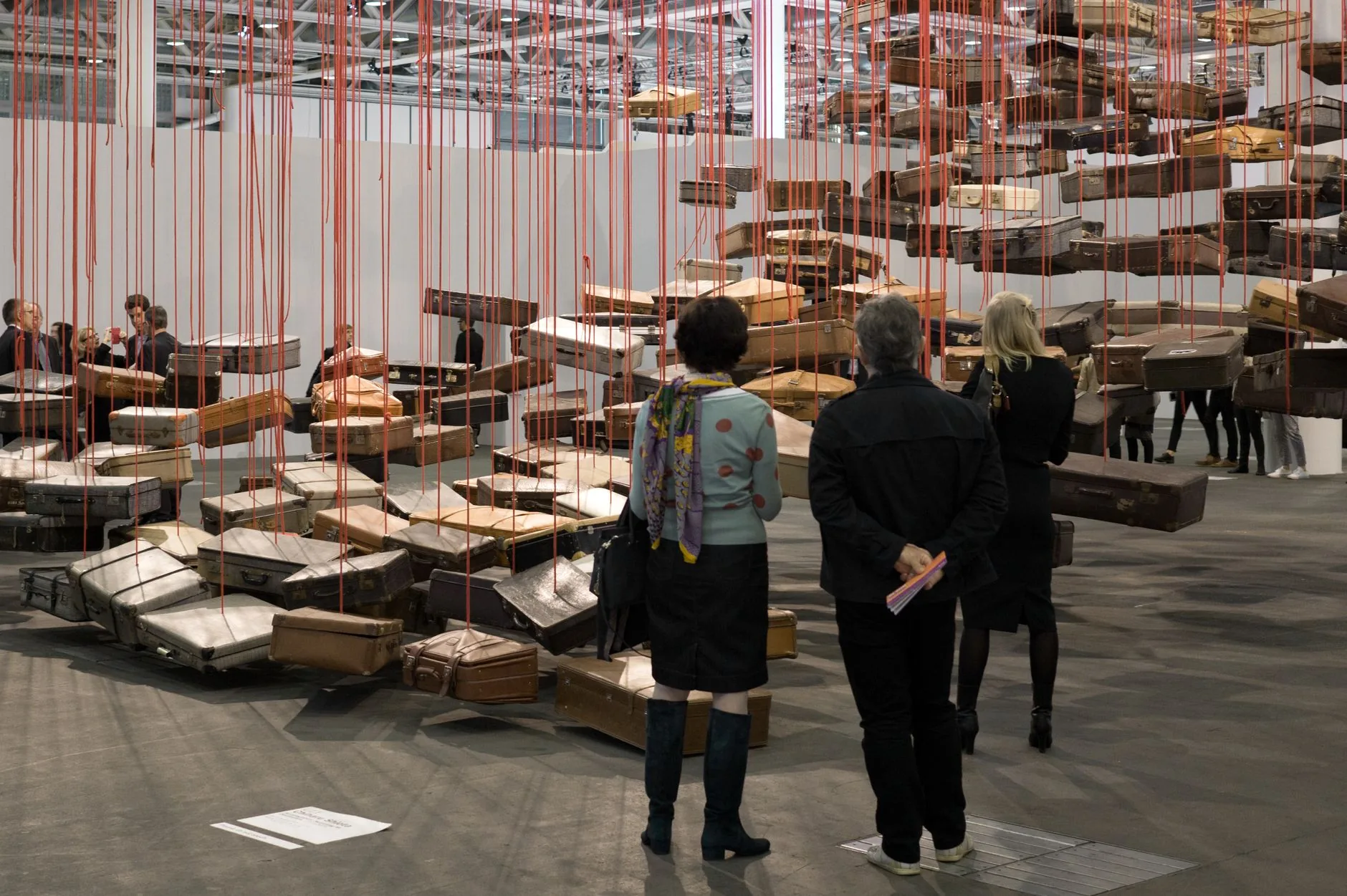
Types of installation art are large-scale, site-specific artworks designed to transform a space and engage viewers immersively.
In plain terms: Imagine walking into a room where the walls, floor, and even the air around you are part of the artwork, installation art turns entire environments into canvases.
Key facts
- Installation art often blends various media, including sculpture, video, sound, and lighting.
- These works are typically temporary and designed for specific locations, such as galleries, public spaces, or natural landscapes.
- According to the International Council of Museums, installation art gained prominence in the late 20th century as artists sought to challenge traditional art forms.
- Famous examples include Yayoi Kusama’s Infinity Mirror Rooms and Olafur Eliasson’s The Weather Project.
What are art installations?
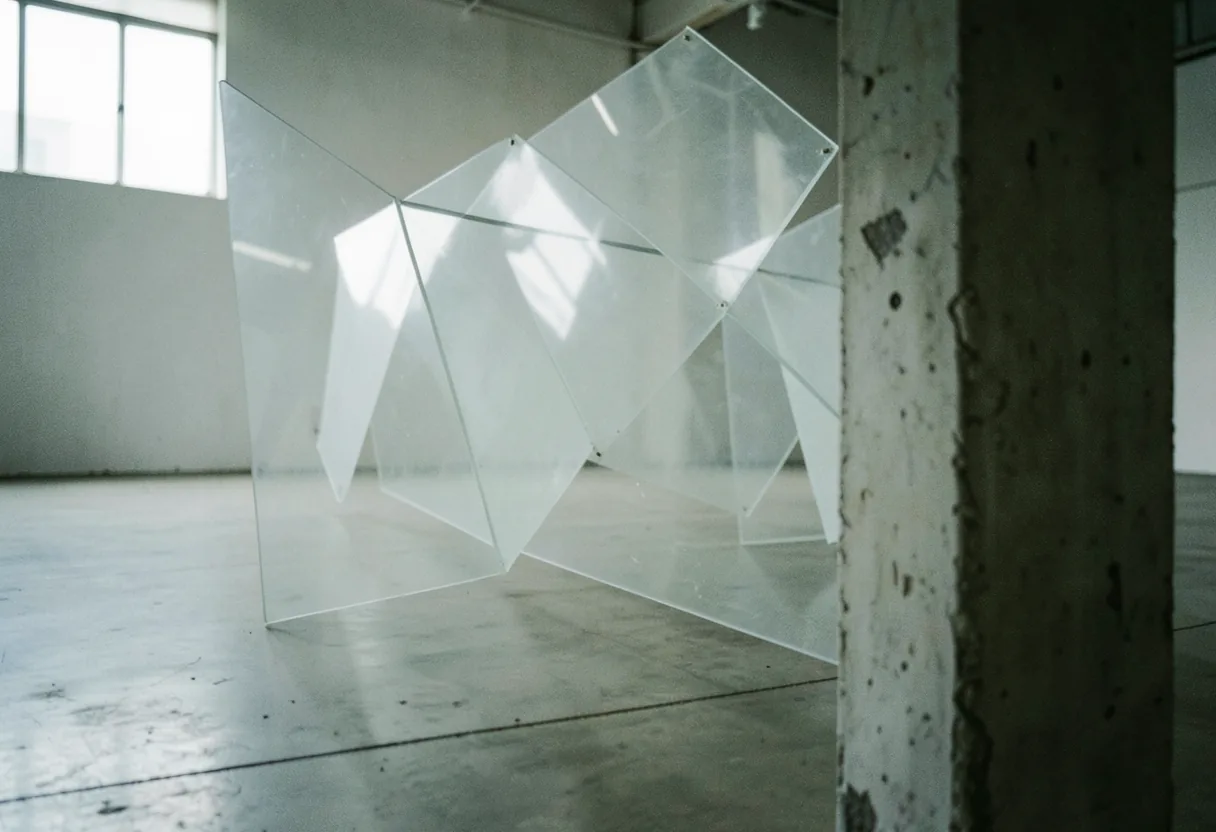
Art installations are three-dimensional artworks created to engage viewers in a specific environment, often using multiple sensory elements to convey a concept or emotion.
These installations can range from small, intimate spaces to massive, room-sized or even outdoor environments. The first time I really looked at an installation, I realized how different it was from traditional art forms, it wasn’t just about looking; it was about experiencing. Artists often use a combination of materials, including metal, fabric, light, and digital projections, to create immersive experiences. For example, the Yayoi Kusama’s Infinity Mirror Rooms use mirrors and LED lights to create an illusion of infinite space, drawing viewers into a surreal, reflective world.
Installations can be found in various settings, from museums and galleries to public spaces and even private collections. Some installations are designed to be permanent, while others are temporary and may only be on display for a few weeks or months. The cost of creating an installation can vary widely depending on the scale, materials, and complexity of the project. According to a report by the Art Newspaper, the average cost of a mid-sized installation can range from $10,000 to $100,000, with some large-scale projects costing millions.
To create an installation, artists often start with a concept or theme and then design the environment around it. This can involve sketching out plans, sourcing materials, and collaborating with technicians and engineers to bring the vision to life. The installation process can take anywhere from a few weeks to several months, depending on the complexity of the project. For example, the installation of Olafur Eliasson’s The Weather Project at the Tate Modern in London took over six months to complete.
What are the five types of installation art?
The five main types of installation art are site-specific, immersive, interactive, temporary, and permanent installations.
Site-specific installations are designed to interact with a particular location, taking into account the architecture, history, and context of the space. These works are often created for a specific gallery or public space and cannot be easily moved or replicated. Immersive installations, on the other hand, are designed to completely envelop the viewer in a sensory experience. These works often use multimedia elements, such as video, sound, and lighting, to create a fully immersive environment.
Interactive installations invite viewer participation, often using technology to respond to the viewer’s actions or presence. These works can range from simple touch-sensitive displays to complex, AI-driven environments. Temporary installations are designed to be on display for a limited time, often as part of a specific exhibition or event. These works may be disassembled and stored or even destroyed after the exhibition ends. Permanent installations, as the name suggests, are designed to remain in place indefinitely. These works often become landmarks or points of interest in their locations.
Examples of each type
- Site-Specific: Broken Circle/Spiral Hill by Robert Smithson, created in 1971 in Emmen, Netherlands, is a prime example of site-specific installation art. The work consists of a 150-meter-diameter circular ditch and a spiral mound of earth, designed to interact with the surrounding landscape.
- Immersive: Infinity Mirror Rooms by Yayoi Kusama are immersive installations that use mirrors and LED lights to create an illusion of infinite space. These works are designed to completely envelop the viewer in a sensory experience.
- Interactive: The Treachery of Sanctuary by Julius von Bismarck is an interactive installation that uses motion sensors and projection mapping to create a dynamic, responsive environment. The work invites viewers to interact with the installation, triggering changes in the projected images and sounds.
- Temporary: Sunset Spectrum by David Batchelor is a temporary installation that was displayed at the Tate Modern in London in 2017. The work consisted of a series of colorful panels that were arranged to create a vibrant, ever-changing display of light and color.
- Permanent: The Gates by Christo and Jeanne-Claude is a permanent installation that was displayed in Central Park, New York City, in 2005. The work consisted of 7,503 gates, each supporting a saffron-colored fabric panel, that were arranged throughout the park to create a striking visual spectacle.
How much does an art installation cost?
The cost of an art installation can vary widely, typically ranging from $10,000 to over $1 million, depending on the scale, materials, and complexity of the project.
Several factors influence the cost of an installation, including the size of the space, the materials used, the complexity of the design, and the labor required to create and install the work. For example, a small, site-specific installation might cost around $10,000 to $50,000, while a large, immersive installation could cost hundreds of thousands or even millions of dollars. According to a report by the Art Newspaper, the average cost of a mid-sized installation can range from $10,000 to $100,000, with some large-scale projects costing millions.
To get a better understanding of the costs involved in creating an art installation, let’s look at a few examples. For instance, the installation of Olafur Eliasson’s The Weather Project at the Tate Modern in London cost around $1 million. The work involved creating a massive, artificial sun using hundreds of lamps and mirrors, as well as a series of other elements, such as a walkway and seating area. Another example is the installation of Infinity Mirror Rooms by Yayoi Kusama, which can cost anywhere from $500,000 to $1 million per room, depending on the size and complexity of the design.
What is the 70 30 rule in art composition?
Art composition’s 70 30 rule suggests that 70 percent of a work should be dominated by a single element or color, while the remaining 30 percent should feature contrasting elements or colors.
This rule is often used in installation art to create a sense of balance and harmony. The idea is to have one dominant element or color that sets the tone for the entire piece, while the other elements or colors provide contrast and depth. For example, in the installation of Olafur Eliasson’s The Weather Project, the dominant element is the artificial sun, which takes up about 70 percent of the visual space. The remaining 30 percent is filled with other elements, such as the walkway, seating area, and various objects that provide contrast and depth to the overall composition.
To apply the 70 30 rule to your own art installations, start by identifying the dominant element or color that you want to feature in your work. This could be a large sculpture, a vibrant color, or a specific texture. Once you have identified the dominant element, arrange the remaining elements or colors in a way that complements and contrasts with it. For example, if you are creating an installation featuring a large, red sculpture, you might use neutral colors, such as white, gray, or black, to provide contrast and depth. You can also use different textures, such as metal, wood, or fabric, to add visual interest and complexity to your work. For more insights, see how to use the 70-30 rule in art composition.
Where to find art installations near California and Texas?
California and Texas are home to numerous world-class museums and galleries that feature a wide range of art installations.
In California, the Los Angeles County Museum of Art (LACMA) is a must-visit destination for art lovers. The museum features a wide range of installations, from contemporary works to historical pieces. One notable example is the installation of Chris Burden’s Urban Light, which consists of 202 restored street lamps arranged in a grid-like pattern. The work is a striking visual spectacle that has become one of the most iconic installations in Los Angeles.
In Texas, the Dallas Museum of Art (DMA) is another top destination for art lovers. The museum features a wide range of installations, from contemporary works to historical pieces. One notable example is the installation of Mirrored Room, Omnia by Yayoi Kusama, which consists of a series of mirrors and LED lights that create an illusion of infinite space. The work is a stunning visual spectacle that draws viewers into a surreal, reflective world.
Art installations for sale
Galleries, art fairs, and online marketplaces offer art installations for purchase.
To find art installations for sale, start by visiting local galleries and museums in your area. Many galleries and museums feature a wide range of installations, from contemporary works to historical pieces. You can also attend art fairs and exhibitions, which often feature a wide range of installations for sale. For example, the Art Basel fair in Miami features a wide range of installations, from large-scale works to intimate pieces.
Another option is to purchase art installations online. There are several online marketplaces that specialize in selling art installations, such as Artsy, Saatchi Art, and Artspace. These marketplaces feature a wide range of installations, from contemporary works to historical pieces, and allow you to browse and purchase works from the comfort of your own home. For more insights, see how to choose the right palette for immersive environments. If you are looking for more specific information on contemporary art installations, see this guide on recurring visual themes in spatial art.
How to create your own art installation
To create your own art installation, start with a concept or theme and then design the environment around it.
To create your own art installation, start by identifying a concept or theme that you want to explore. This could be a specific idea, emotion, or experience that you want to convey through your work. Once you have identified your concept or theme, start brainstorming ideas for how to bring it to life. This could involve sketching out plans, sourcing materials, and collaborating with technicians and engineers to bring your vision to life. For example, if you are creating an installation that explores the theme of nature, you might use materials such as wood, stone, and plants to create a naturalistic environment.
Next, consider the size and scale of your installation. Will it be a small, intimate piece or a large-scale environment? The size and scale of your installation will determine the materials and resources you need, as well as the space you need to create it. For example, a small, intimate installation might only require a few materials and a small space, while a large-scale installation might require hundreds of materials and a large, open space. According to a report by the Art Newspaper, the average cost of a mid-sized installation can range from $10,000 to $100,000, with some large-scale projects costing millions.
Finally, consider the sensory elements of your installation. How will you engage the viewer’s senses, such as sight, sound, and touch? This could involve using multimedia elements, such as video, sound, and lighting, to create a fully immersive environment. For example, if you are creating an installation that explores the theme of sound, you might use speakers, microphones, and other audio equipment to create a dynamic, responsive environment. If you are interested in learning more about creating depth and perspective in installations, see this guide on using illusion in art. If you are looking for more specific information on the history of installation art, see this article on the five types of installation art. For more insights on famous art installations, see this guide on using complementary colors in installations. If you are looking for more specific information on art installations for sale, see this guide on selecting the right palette for immersive environments. If you are looking for more specific information on contemporary art installations, see this guide on recurring visual themes in spatial art.
Keep in mind that creating an art installation is a complex and time-consuming process that requires careful planning and execution. Be sure to budget enough time and resources for your project, and don’t be afraid to seek out help and guidance from experienced professionals. With the right concept, materials, and resources, you can create a stunning and immersive art installation that engages and inspires viewers.
| Type of Installation | Description | Examples |
|---|---|---|
| Site-Specific | Designed to interact with a particular location, taking into account the architecture, history, and context of the space. | Broken Circle/Spiral Hill by Robert Smithson |
| Immersive | Designed to completely envelop the viewer in a sensory experience, often using multimedia elements. | Infinity Mirror Rooms by Yayoi Kusama |
| Interactive | Invites viewer participation, often using technology to respond to the viewer’s actions or presence. | The Treachery of Sanctuary by Julius von Bismarck |
| Temporary | Designed to be on display for a limited time, often as part of a specific exhibition or event. | Sunset Spectrum by David Batchelor |
| Permanent | Designed to remain in place indefinitely, often becoming landmarks or points of interest. | The Gates by Christo and Jeanne-Claude |
| Cost Factor | Description | Typical Range |
|---|---|---|
| Size of the Space | The larger the space, the more materials and labor required, increasing the overall cost. | $10,000 – $500,000+ |
| Materials Used | High-quality or specialized materials can significantly increase the cost of an installation. | $5,000 – $200,000+ |
| Complexity of the Design | Complex designs requiring advanced technology or engineering can be more expensive to create. | $20,000 – $500,000+ |
| Labor Required | The time and expertise required to create and install the work can impact the overall cost. | $10,000 – $300,000+ |
Start by identifying a concept or theme that you want to explore. Next, brainstorm ideas for how to bring it to life, considering the size and scale of your installation. Finally, engage the viewer’s senses using multimedia elements to create a fully immersive environment. Keep in mind that creating an art installation is a complex and time-consuming process that requires careful planning and execution. Be sure to budget enough time and resources for your project, and don’t be afraid to seek out help and guidance from experienced professionals. With the right concept, materials, and resources, you can create a stunning and immersive art installation that engages and inspires viewers. If you are looking for more specific information on the history of installation art, see this article on the five types of installation art.
Frequently asked questions
What distinguishes installation art from other forms of contemporary art?
Installation art differs by transforming a space into an immersive environment. Unlike paintings or sculptures, it engages multiple senses and often requires viewers to move through or interact with the artwork. This spatial engagement creates a unique dialogue between the art and its audience, often addressing themes like identity or social issues.
How do permanent installations differ from temporary ones?
Permanent installations, like Richard Serra's 'Torqued Ellipses,' become part of the landscape or architecture, designed to endure. Temporary installations, such as Yayoi Kusama's 'Infinity Mirror Rooms,' are often site-specific and disassembled after a set period. This temporality allows artists to experiment with fleeting, contextual narratives.
Can installation art exist in digital spaces?
Absolutely. Digital installation art uses virtual reality, augmented reality, or interactive projections to create immersive experiences. Artists like Rafael Lozano-Hemmer blend technology and space, letting viewers manipulate light or sound in real-time. This form challenges traditional notions of physical presence in art.
What role does audience participation play in installation art?
Participation transforms the viewer into a co-creator. Works like Olafur Eliasson's 'The Weather Project' invite physical interaction, altering the artwork's outcome. This participatory element blurs the line between artist and audience, emphasizing collective experience and interpretation over passive observation.
Related Reading
- Palette Selection for Immersive Environments
- Illusion: Creating Depth and Perspective in Installations
- Complementary Colors: Mastering Contrast in Installations
Part of the Techniques & Composition guide hub.