
Designing Interactive Art Experiences for Modern Audiences
Jason Coleman · on 18 July 2026 · 8 min read · Last reviewed 18 July 2026
Interactive art experiences are immersive installations that actively engage audiences through sensory participation, blending technology with artistic expression to create dynamic environments.
In plain terms: Think of interactive art experiences as a dance between art and audience, where every step, touch, or gesture becomes part of the performance, much like a musical instrument that plays different notes depending on how you touch it.
Key facts
- Interactive art experiences leverage technology such as sensors, projection mapping, and augmented reality to create responsive environments.
- These installations often blur the line between observer and participant, transforming passive viewers into active collaborators.
- According to the Smithsonian American Art Museum, interactive art has gained significant traction since the early 2000s, with museums and galleries worldwide incorporating these experiences into their collections.
- The cost of creating an interactive art experience can range from a few thousand dollars for small-scale projects to millions for large, technologically complex installations.
What are art installations?
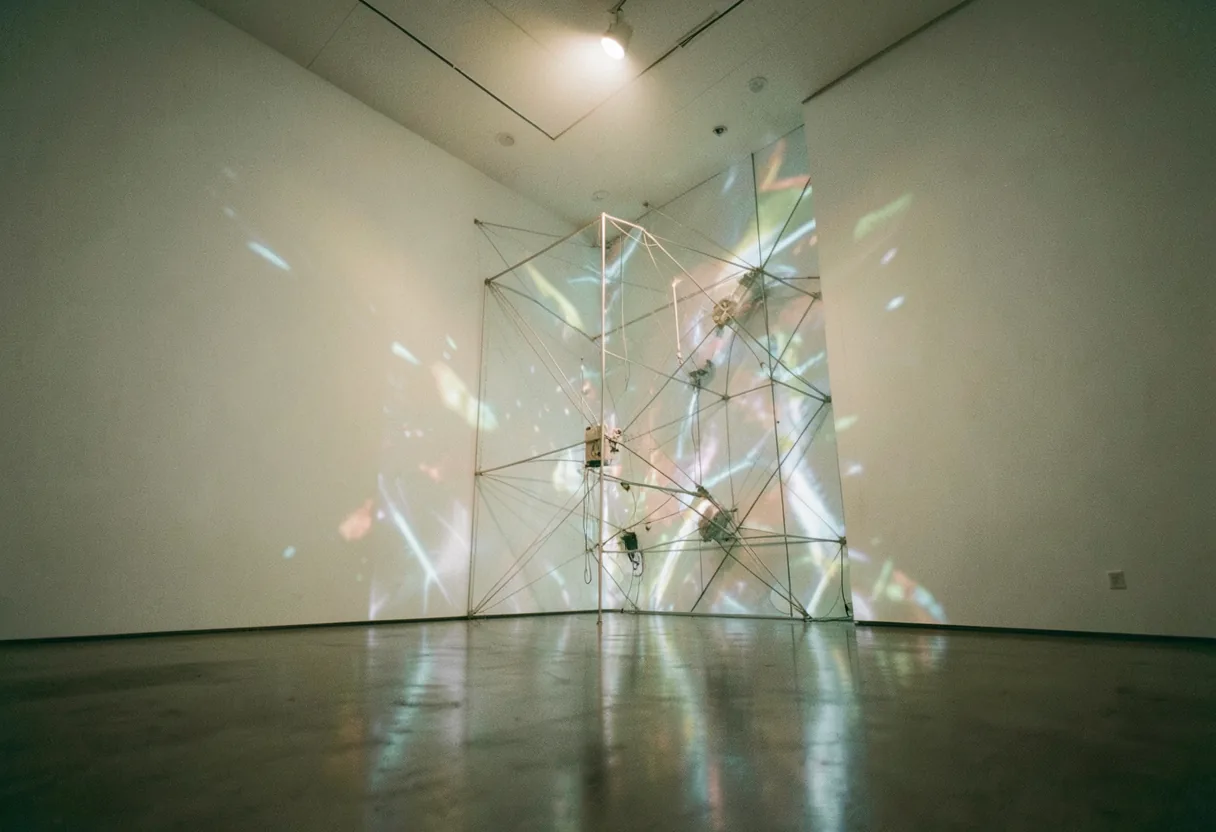
Art installations are three-dimensional artistic compositions designed to transform a space and engage viewers in a multisensory experience.
The first time I really looked at an installation, I noticed how it didn’t just sit in a gallery but became the gallery itself, reshaping the environment and my perception of it. This immersive quality is what sets installations apart from traditional art forms.
What are the five types of installation art?
The five primary types of installation art are site-specific, immersive, interactive, mixed-media, and time-based installations.
Each type serves a unique purpose and engages audiences in different ways. For example, site-specific installations are created to interact directly with the physical space they occupy, while immersive installations aim to fully enclose the viewer in an artistic environment.
Key facts
- Site-specific installations are designed to interact with a particular location, often incorporating architectural elements.
- Immersive installations, such as teamLab’s Borderless exhibit in Tokyo, create a fully enveloping environment.
- Interactive installations use technology to respond to the audience’s actions, creating a dynamic relationship between the art and the viewer.
- Mixed-media installations combine various materials and techniques, such as sculpture, painting, and digital elements.
- Time-based installations incorporate elements that change over time, such as video or performance art.
How much does an art installation cost?
Art installation costs vary widely, typically ranging from **$5,000 to $5,000,000**, depending on the scale, materials, and technology involved.
For instance, small-scale interactive installations might cost around **$5,000 to $50,000**, while large, technologically advanced projects can exceed **$1,000,000**. The budget often includes expenses for materials, labor, technology, and venue rental.
How are interactive art experiences created?
Designing an interactive art exhibit requires teamwork among artists, tech experts, and designers to blend technology and creative ideas effectively.
In my experience, the process begins with a concept that defines the goals and themes of the installation. This concept is then translated into a detailed design, incorporating specific technologies such as sensors, projection mapping, and augmented reality. Prototyping and testing are crucial steps to ensure the installation functions as intended and engages the audience effectively. Finally, the installation is deployed in its intended space, with ongoing monitoring and adjustments to optimize the experience.
Key facts
- The creation process often involves interdisciplinary teams, including artists, engineers, and software developers.
- Prototyping and testing are essential to identify and resolve technical and design issues before the final installation.
- Tate Modern states that a successful interactive art experience relies on the smooth blending of technology and artistic vision.
- The deployment phase includes setting up the installation, calibrating technology, and ensuring user accessibility.
| Phase | Key Activities | Duration |
|---|---|---|
| Concept Development | Defining goals, themes, and user experience | 1-3 months |
| Design | Creating detailed plans and integrating technology | 2-6 months |
| Prototyping | Building and testing prototypes | 2-4 months |
| Deployment | Installing and calibrating the artwork | 1-2 months |
What is the 70-30 rule in art?
Art’s 70-30 rule states that 70% of an artwork’s impact comes from its concept and execution, while 30% comes from its presentation and context.
This rule highlights the need for a solid conceptual base and skilled implementation, while also acknowledging the role of presentation in improving the viewer’s experience. For instance, an interactive art experience may have an engaging concept, but its effect is greatly increased by how it is shown to the audience.
Art installations near California
California is home to numerous renowned art installations, including the Light Pillar at the Los Angeles County Museum of Art (LACMA) and the Urban Light installation at the Los Angeles County Museum of Art. These installations attract visitors from around the world, offering unique interactive experiences.
To explore more installations near California, consider visiting the San Francisco Museum of Modern Art or the Oakland Museum of California, both of which feature a variety of interactive and immersive artworks.
Art installations near Texas
Texas also boasts a vibrant art scene with notable installations such as the Rainbow Panorama at the Contemporary Austin and the Texas Skyline at the Dallas Museum of Art.
These installations frequently integrate aspects of the local environment and heritage, forging a distinctive bond between the artwork and its setting. For individuals curious about interactive art encounters in Texas, the Houston Museum of Fine Arts and the San Antonio Museum of Art serve as outstanding initial destinations.
Contemporary art installations
Contemporary art installations often push the boundaries of traditional art forms, incorporating technology, digital media, and interactive elements to create engaging experiences.
Creating immersive digital installations, the teamLab collective is recognized for exhibits like Borderless in Tokyo. This exhibit employs projection mapping and interactive sensors to merge art and technology.
Famous art installations
Famous art installations include the Gates by Christo and Jeanne-Claude in Central Park, the Floating Piers by Christo, and the Mirrored Cube by Yayoi Kusama.
These installations have garnered international acclaim for their innovative use of materials and their ability to transform public spaces into immersive artistic environments. For more information on famous installations, visit the Wikipedia page for Christo and Jeanne-Claude.
Art installations for sale
Galleries, art fairs, and online platforms specializing in contemporary art offer installations for sale.
For example, the Artsy platform offers a wide range of installations for sale, from small-scale pieces to large, immersive works. Additionally, art fairs such as the Art Basel and the Frieze Art Fair provide opportunities to discover and purchase unique installations.
History of installation art
History of installation art dates back to the early 20th century, with pioneers like Marcel Duchamp and Kurt Schwitters experimenting with three-dimensional compositions.
Over the years, installation art has evolved to incorporate new technologies and interactive elements, reflecting the changing landscape of artistic expression. Today, installation art plays a crucial role in contemporary art, with artists continually pushing the boundaries of what is possible.
Explore this Term: Gesamtkunstwerk
Gesamtkunstwerk, a term coined by Richard Wagner, refers to a total work of art that combines various artistic disciplines into a single, cohesive experience.
In the context of interactive art experiences, the concept of Gesamtkunstwerk is particularly relevant, as these installations often blend visual art, music, performance, and technology to create immersive environments that engage all the senses.
Art and Objecthood
Objects and their physical presence in space are examined in Michael Fried’s 1967 essay looking at the concept of art and objecthood.
This concept is particularly relevant to interactive art experiences, as these installations often challenge traditional notions of objecthood by creating dynamic, ever-changing environments that respond to the audience’s presence and actions.
Interactive installations
Interactive installations use technology to create dynamic, responsive environments that engage audiences in unique ways.
Aura by Refik Anadol, for example, uses machine learning algorithms to transform data into immersive visual experiences, allowing viewers to interact with the installation through touch and movement. These installations often incorporate sensors, projection mapping, and augmented reality to create engaging, participatory experiences.
Steps to create an interactive art experience
- Define the concept and objectives of your installation.
- Choose the appropriate technology and materials for your project.
- Design the interactive elements and user interfaces.
- Develop prototypes and test the installation.
- Install and fine-tune the artwork in its intended space.
- Promote and showcase the installation to your target audience.
Examples of interactive art experiences
| Installation | Artist | Location | Technology Used |
|---|---|---|---|
| Borderless | teamLab | Tokyo, Japan | Projection Mapping, Interactive Sensors |
| Aura | Refik Anadol | Various Locations | Machine Learning, Data Visualization |
| The Treachery of Sanctuary | Yayoi Kusama | Various Locations | Mirrors, LED Lights |
| Sun & Moon | Jenny Holzer | Various Locations | LED Displays, Text Projections |
Projection mapping, machine learning, and augmented reality highlight the diverse range of technologies and approaches used in interactive art experiences.
Cost breakdown of an interactive art installation
| Category | Cost Range | Notes |
|---|---|---|
| Materials | $1,000 – $100,000 | Includes physical materials, sensors, and digital components. |
| Labor | $5,000 – $200,000 | Includes artist fees, technicians, and installation crew. |
| Technology | $5,000 – $300,000 | Includes software, hardware, and licensing fees. |
| Venue Rental | $1,000 – $50,000 | Includes space rental and logistics. |
| Marketing | $1,000 – $50,000 | Includes promotion, advertising, and public relations. |
Creating an interactive art experience involves a general overview of associated costs. The actual cost can vary significantly depending on the scale and complexity of the project.
Tips for designing engaging interactive art experiences
- Prioritize user experience and accessibility to ensure a wide range of audiences can engage with your installation.
- Incorporate feedback mechanisms to gather data on user interactions and improve the experience over time.
- Collaborate with experts in technology, design, and engineering to bring your vision to life.
- Test your installation thoroughly to identify and address any technical or design issues.
- Consider the physical and emotional environment to create a memorable and impactful experience.
By following these tips, you can create interactive art experiences that captivate and engage audiences, fostering a deeper connection with the artwork.
Frequently asked questions
What defines an interactive art experience?
Interactive art experiences engage participants directly, often through touch, movement, or digital interfaces. These works shift from passive observation to active engagement, blurring the line between artist and audience. Examples include installations where viewers manipulate projections or soundscapes through gestures, creating a unique experience each time.
How do artists ensure accessibility in interactive art?
Artists prioritize intuitive design, ensuring interactions are clear and require minimal explanation. They also consider physical accessibility, providing multiple interaction points or alternative experiences for those with mobility challenges. For example, a light-based installation might offer both touch and voice activation to accommodate diverse audiences.
What role does technology play in interactive art?
Technology enables dynamic, responsive experiences, from motion sensors to augmented reality. Tools like Arduino or Unity allow artists to create immersive environments. However, the technology should enhance the art, not overshadow it. For instance, a simple touch-sensitive painting might use basic sensors to evoke subtle color changes, keeping the focus on the artistic vision.
Can interactive art be permanent installations?
Permanent installations are rare due to technological maintenance and evolving audience expectations. Most interactive art thrives in temporary exhibitions or festivals. However, some museums commission durable pieces, like the teamLab Borderless digital museum in Tokyo, which combines art and technology in a semi-permanent, ever-changing space.
See also: Top Interactive Art Museums Shaping the Scene.
Related Reading
- Mastering Projection Mapping for Immersive Spaces
- Sustainable Practices: Upcycling Artwork for Installations
Part of the Interactive & Experiential guide hub.